



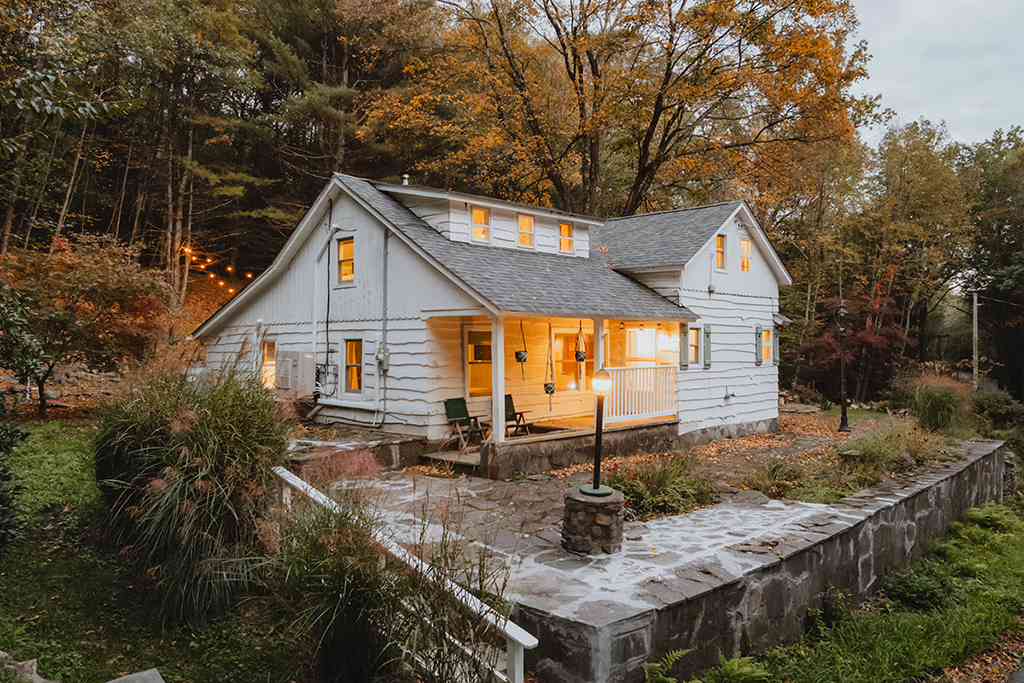
A country cottage can look affordable at first, but the purchase price rarely captures the full cost of rural homeownership. Older construction, private utilities and large outdoor spaces can create expenses that don’t appear in a standard property listing.
Before you fall for exposed beams and a quiet setting, look closely at how the home works from day to day. A detailed budget should account for immediate repairs, routine servicing and a reserve for problems that may surface after closing.
Charm Versus Everyday Reality
Original floors, wood-framed windows and thick stone walls give a cottage character, yet these features may need specialist care. Single-pane windows can raise heating and cooling costs, while uneven floors may point to normal settling or a more serious support issue. A long driveway also means extra work after storms and regular spending on grading or gravel.
Location affects daily costs too. Grocery stores, medical offices and repair services may be far away. Internet access can vary from one road to the next, so confirm available speeds at the exact address. Broader accounts of the pros and cons of off-grid living show why buyers should assess access, utilities and maintenance before treating rural life as a simple money-saving move.
Understanding Off-Grid Waste Systems
Many country homes rely on private waste systems because they aren’t connected to a municipal sewer. A typical setup includes a buried tank and a drainage area where treated wastewater filters through the soil. Its condition depends on design, soil quality, household use and past maintenance.
Ask for pumping records, installation documents and any inspection reports before buying. If records are missing or the system is near the end of its expected service life, arrange an inspection and request written cost estimates. Professional septic tank installers can assess installation needs, repairs, pumping and percolation testing for properties in North and South Carolina.
Keep vehicles, sheds and deep-rooted trees away from the drainage area. Slow drains, sewage odors or unusually wet ground also deserve prompt attention because delays can turn a contained repair into major excavation.
Factoring in Ongoing Property Upkeep
Set an annual maintenance budget based on the cottage’s actual features, not a generic percentage alone. A home with a private well, mature trees, outbuildings and several acres will have different needs from a compact house on a small serviced lot.
Comfortable rural living may require backup power, water treatment, reliable heating and upgraded communications. A breakdown of comfortable off-grid living costs illustrates how quickly those systems can increase the starting budget.
Create a calendar for chimney inspections, gutter cleaning, roof checks, tree trimming and private utility servicing. Keep records of every visit and repair. Those notes help contractors diagnose recurring problems and give future buyers evidence that the property has received consistent care.
Prepare for Unexpected Structural Fixes
Older cottages can hide damage behind paneling, under floors or inside roof spaces. Water stains may indicate a past leak, while sticking doors can result from seasonal movement or foundation trouble. Pay for an independent home inspection and ask whether a structural engineer should review cracks, sagging rooflines or altered support walls.
Moisture deserves special attention because it can affect framing, insulation and interior finishes. If flooding, fire or another serious event damages the house, this guide to property restoration after a home disaster explains what owners may face during cleanup and recovery.
Before closing, price the urgent work and add a reserve for hidden damage. If the cottage needs a roof, drainage improvements and structural repairs at the same time, negotiate accordingly or reconsider the purchase.
A dream cottage can still be a smart purchase when its private systems and older materials have been properly assessed. Bring your inspection findings, service estimates and first-year maintenance costs together before deciding what the property is truly worth to you.