



An outdated room often feels inconvenient before it looks old. Crowded walkways, poor storage and tired surfaces can make everyday tasks harder than they need to be. A successful update starts with those practical problems, then uses color, lighting and finishes to create a fresher look. You don’t need to replace everything at once.
Focus on the features that affect how you move through the room, store essentials and use the space each day.
Audit What Clutters Your Daily Flow
Walk through your home at a busy time and notice where movement slows down. Shoes beside the entrance, appliances covering the counter or furniture blocking a doorway can reveal what needs attention.
Give frequently used items an easy-to-reach home and remove anything that no longer serves the room. The process may take several short sessions, so set aside 20 minutes for one cabinet or surface at a time. These easy decluttering methods can help you break the work into manageable tasks. If awkward layouts remain after the clutter is gone, review these signs that your home needs a better flow.
Plan High-Impact Functional Overhauls
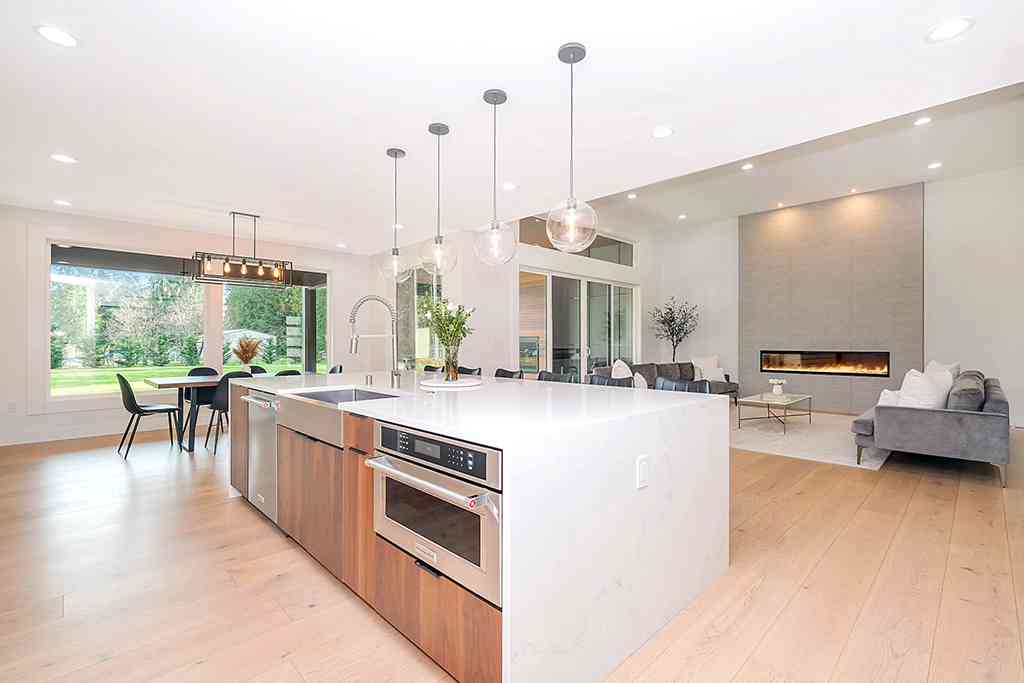
Once you can see the room clearly, identify the upgrades that would change how it works. In a kitchen, that might mean adding deep drawers for cookware, moving waste bins closer to the preparation area or extending cabinets to the ceiling. Homeowners in Wagga Wagga considering larger kitchen renovations can explore custom layouts and cabinetry designed around their storage needs and available space.
Measure carefully before committing to built-in features. Mark the proposed depth of an island, cabinet or vanity on the floor with painter’s tape, then live with the outline for a day. Check that doors open fully and that two people can pass comfortably. This simple test can prevent an expensive feature from creating a new bottleneck.
Update Finishes and Hardware First
Cabinet handles, faucets, light fixtures and switch plates carry a lot of visual weight. Replacing them can make a room feel more current without changing its basic structure. Choose one finish family, such as brushed nickel, matte black or warm brass and repeat it in a few places. Exact matches aren’t necessary, but the tones should look intentional together.
Paint can also produce a noticeable change at a manageable cost. Warm whites, soft greens and muted earth tones work well with many existing materials. Test each color on two walls and view it during the morning and evening before deciding. For worn cabinets, cleaning, repairing and repainting sound doors may be more sensible than replacing every unit. Finish the update with warmer LED bulbs and layered lighting for tasks and general use.
Bring Balance to Your Daily Environment
A modern living space should feel calm without becoming empty or impersonal. Keep a few objects that add texture and meaning, such as framed prints, books or a handmade bowl, then give them enough visual space. Curtains mounted slightly above the window can make a low ceiling feel taller, while one appropriately sized rug often looks cleaner than several small floor coverings.
Pay attention to comfort as you edit. A sleek chair that no one enjoys using won’t improve the room, and open shelving can create extra work if you prefer surfaces that are easy to maintain. Choose materials and storage styles that fit your actual routine.
When the work is finished, take the same walk through the space that you used during the first audit. Clear counters, reachable storage and unobstructed pathways will show that the update has solved more than a cosmetic problem.