



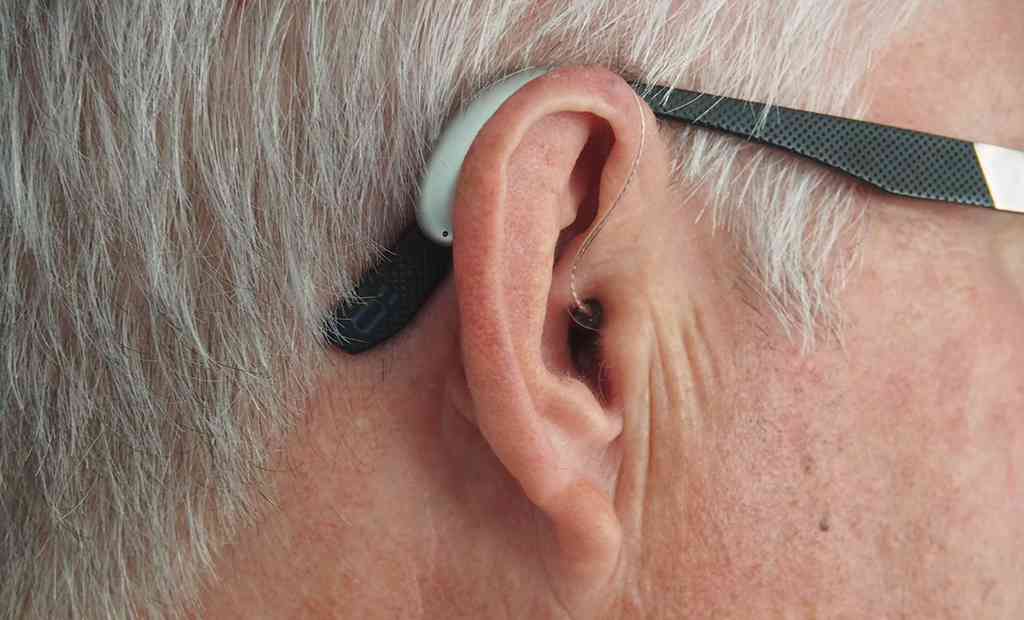
Modern hearing aid technology can analyze sound in real time, adjust to changing surroundings and reduce the effort required to follow a conversation. Artificial intelligence takes that processing further by identifying sound patterns and applying settings suited to places such as restaurants, offices or busy sidewalks.
For tech-savvy adults, these devices feel less like traditional medical equipment and more like personalized audio technology. The practical benefits include clearer speech, fewer manual adjustments and better control through a smartphone.
What AI Sound Processing Actually Does
AI-enabled devices use trained algorithms to classify different listening environments. A device may recognize steady background noise from an air conditioner, changing traffic sounds or speech coming from someone nearby. It can then adjust microphones, amplification and noise management within fractions of a second.
These systems don’t restore natural hearing, and results depend on the type and degree of hearing loss. Their main advantage is adaptability. Instead of applying one fixed setting everywhere, the device responds as the sound around you changes. That can make it easier to move from a quiet car to a crowded café without repeatedly opening an app or pressing a button.
When an Upgrade May Be Worth Considering
Consider an updated device if conversations leave you tired, speech sounds unclear in groups, or your current settings require frequent manual changes. People who attend meetings, visit busy public spaces, or regularly talk with family may benefit most from automatic environment detection.
Professionally fitted AI hearing aids can combine personalized technology with hearing rehabilitation, which helps address both device settings and everyday communication habits. Before choosing a model, write down three situations where you struggle most. Specific examples, such as missing comments during a six-person dinner, give a hearing care professional useful information for programming and follow-up adjustments.
Smarter Speech and Noise Management
Speech and background sound often occupy overlapping frequencies, so no device can remove every unwanted sound perfectly. AI processing can still improve the balance by estimating where speech originates and focusing directional microphones toward that area. Some devices also reduce steady sounds while preserving voices and environmental cues.
Picture a team lunch in a busy restaurant. The device may prioritize the person across from you, soften the hum of ventilation and keep surrounding voices at a lower level. Head movement still matters because microphone direction changes as you turn. Sitting with your back to a wall and facing the main speaker can give the technology cleaner sound to process.
Features That Fit a Connected Lifestyle
Smartphone controls let you change volume, select programs and check battery status without handling a small device behind or inside your ear. Depending on the model and phone, direct streaming may send calls, podcasts or navigation prompts to both ears. Rechargeable batteries also remove the need to replace tiny disposable cells every few days.
Remote care is another useful option. Some providers can review device data or send approved setting changes without requiring an office visit. Feature availability varies, so check compatibility before buying. This guide to top hearing aid features can help you decide which functions match your routine and which ones you’re unlikely to use.
Fit and Follow-Up Still Matter
Advanced processing works best when the physical fit and programming are accurate. An uncomfortable earpiece may cause you to wear the device less often, while poor programming can make voices sharp or leave soft speech too quiet. Ask how the provider verifies amplification and how many follow-up appointments are included.
Some adults may also consider over-the-counter hearing aids, which the FDA permits for adults with perceived mild to moderate hearing loss. Prescription options may be more suitable when hearing difficulties are greater, one ear differs sharply from the other, or symptoms need medical evaluation. A professional hearing test gives you a baseline and helps narrow the options.
Give Your Brain Time to Adjust
More sound can feel unusual after years of reduced hearing. Everyday noises such as keyboard clicks, running water and paper movement may seem surprisingly noticeable during the first few days. Consistent use gives your brain time to relearn which sounds deserve attention.
Start in familiar settings and increase wear time according to your provider’s guidance. Keep short notes about comfort, speech clarity and challenging environments, then bring those observations to your follow-up appointment. A useful adjustment report is specific: “Voices were clear at home, but dishes sounded harsh in the kitchen” gives the provider more direction than saying the device sounded strange.
The best upgrade is the one that reduces listening effort in the places that shape your day. Clear examples, accurate testing and careful follow-up allow smart processing to do its job without adding unnecessary complexity.