



True home energy independence starts with knowing what your household must keep running when the grid goes down. A few batteries and solar panels can help, but reliable backup comes from matching equipment to actual needs, reducing wasted electricity and planning for outages that last longer than an afternoon. The process is manageable when you work from measured energy use instead of product claims or rough guesses.
Rethinking Household Vulnerability
Start by listing the systems your home depends on each day. Refrigeration, medical devices, water pumps, heating controls, internet equipment, and basic lighting may all need electricity. Their importance changes with the season and your household. A sump pump may be critical during spring storms, while furnace controls become the priority in winter.
The National Weather Service offers guidance on home power backup, including safe preparation for extended interruptions. Review local weather risks and check how your home’s essential systems behave after losing power. This assessment can also fit into a broader plan for practical home upgrades that improve everyday efficiency and resilience.
Essential Power Needs During Extended Outages
Read the wattage label on every device you plan to support, then estimate how many hours it must run daily. A refrigerator might draw 100 to 200 watts while operating, but its compressor cycles on and off. A 10-watt LED bulb used for five hours needs only 50 watt-hours.
Pay attention to startup demand. Motors in refrigerators, pumps, and some heating equipment can briefly draw several times their normal running wattage. When comparing a long term solar power kit, check usable battery capacity, continuous output, surge rating, and expected solar charging time. Build in extra capacity for cloudy weather, aging batteries, and higher-than-expected household use.
Investing in Sustainable Backup Systems
Choose a modular setup if you expect your energy needs to grow. A system that accepts extra batteries or solar panels lets you expand later without replacing the main unit. Look for clear warranties, replaceable components, and battery management features that protect against excessive heat, overcharging, and deep discharge.
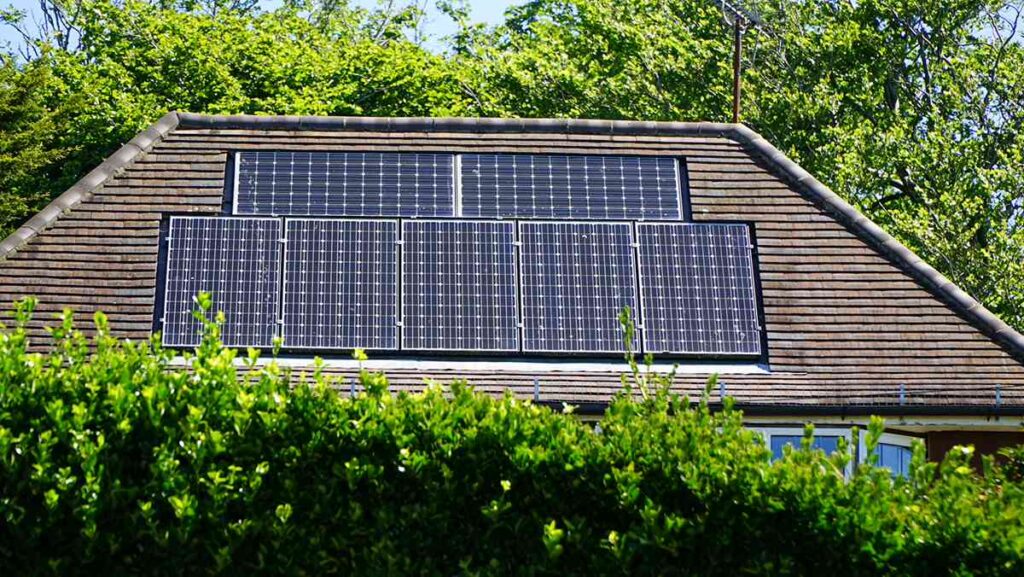
Panel placement matters too. Shade from trees, rooflines or nearby buildings can reduce production, especially during shorter winter days. Portable panels offer flexibility, while fixed panels can provide more consistent charging when correctly positioned. Before buying equipment, confirm that connectors, voltage ranges, and charge controllers are compatible. For permanently connected home systems, use qualified electrical professionals and follow local permit requirements.
Practical Habits to Lower Peak Demand
Run high-draw appliances at different times so your backup system doesn’t face several large loads at once. You might cool the refrigerator first, pause it briefly, and then operate a water pump or small cooking appliance. This simple scheduling can keep demand below an inverter’s limit.
Reduce standby power by unplugging spare chargers, entertainment equipment, and appliances with always-on displays. Use LED lighting, charge phones during strong daylight, and keep refrigerator doors closed. During hot weather, close blinds before rooms heat up. In cold conditions, concentrate activity in one insulated area and use daylight whenever possible. These habits stretch stored energy without sacrificing core household needs.
Test the complete setup every few months under realistic conditions. Run your essential devices, record battery use, and confirm that solar input restores the energy you consumed. That short practice session can expose an undersized cable, a forgotten load, or an unrealistic runtime estimate before the next outage does.