



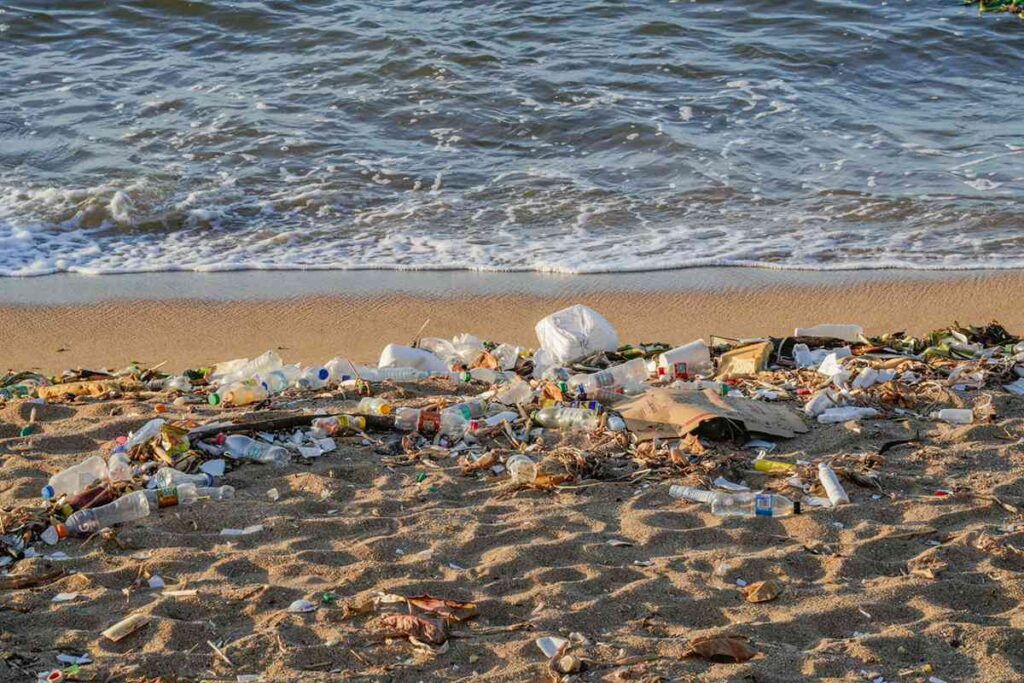
A low-priced shirt can carry an environmental cost that lasts far longer than the few months it spends in a closet. Fast fashion depends on rapid production, low prices, and frequent turnover, creating waste at every stage from manufacturing to disposal. Much of that waste eventually affects rivers, coastlines, and marine ecosystems.
The connection between clothing and ocean pollution can feel distant, but everyday laundry and shopping habits are part of the picture. Understanding where the damage comes from makes it easier to choose practical solutions.
Synthetic Fibers and Marine Pollution
Polyester, nylon, and acrylic are plastics. When synthetic clothing moves through a washing machine, friction can release tiny fibers that travel into wastewater. Treatment facilities capture some, but others reach waterways and eventually the ocean. The overview of fashion’s ocean impact explains how textile production and microfiber pollution strain marine environments.
Wash synthetic garments less often, choose cooler and shorter cycles, and run full loads to reduce friction. A microfiber-catching laundry bag or washing machine filter may also help. Since fleece and loosely woven fabrics tend to shed heavily, use these pieces as long as possible and avoid unnecessary washing.
The Real Lifespan of Cheap Garments
Fast fashion makes clothing feel disposable. A poorly stitched top may lose its shape after several washes, while a trend-driven item can fall out of favor even sooner. Once discarded, synthetic garments may remain in landfills for decades or escape waste systems as litter.
The wider fast fashion impact also includes high water use, chemical pollution, and substantial carbon emissions. This also matters when buying swimwear, where trend-driven styles can encourage frequent purchases. Low durability makes those production costs harder to justify because they’re spread across fewer wears.
Check seams, fabric density, and care labels before buying. Then consider cost per wear. A $15 item worn three times costs $5 per use, while a $60 garment worn 60 times costs $1 per use. Repairing a loose button or small seam can extend that value further.
Why Recycled Ocean Plastics Matter
Recycled plastic gives existing material another useful life and can reduce demand for new petroleum-based fibers. Some companies recover discarded fishing nets, plastic bottles, or other waste streams and process them into yarn for clothing. These programs can support cleanup efforts while showing manufacturers that waste has economic value.
Recycling still has limits. A garment made with recovered plastic may shed microfibers during washing, and blended fabrics can be difficult to recycle again. Look for clear percentages, named material certifications, and specific sourcing information instead of vague terms such as “ocean-friendly.”
Products such as sustainable swimwear can help shoppers compare lower-impact materials and construction. Durability should remain a priority because the greatest benefit comes when recycled garments stay useful across many seasons.
Actions Consumers Can Take Today
Start with the clothing already in your closet. Wear pieces more often, follow care instructions, and air-dry them when practical. Lower heat reduces energy use and can protect elastic, prints, and synthetic fibers from premature damage. If an item no longer fits your needs, offer it through a clothing swap or resale platform before considering textile recycling.
When you do shop, pause long enough to ask three questions: Will you wear it at least 30 times? Can you wash and repair it easily? Does the company provide specific material and production details? These checks filter out many impulse purchases without requiring a perfect wardrobe overhaul.
Ocean pollution won’t disappear through consumer choices alone, but demand influences what brands produce. Keeping one swimsuit, jacket, or workout top in rotation for another season is a small decision with a measurable result: one less replacement entering the fast-fashion cycle.