


The thrill of a live festival can come with an unwanted souvenir: persistent ringing, muffled hearing, or tinnitus that follows you long after the final performance. Repeated exposure to intense sound can put your hearing at risk, potentially affecting your enjoyment of music for years. Discover how to recognize early warning signs, understand venue responsibilities, and protect your ears without missing the excitement of live events.
Peak Volumes at Live Festivals
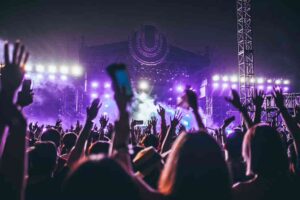
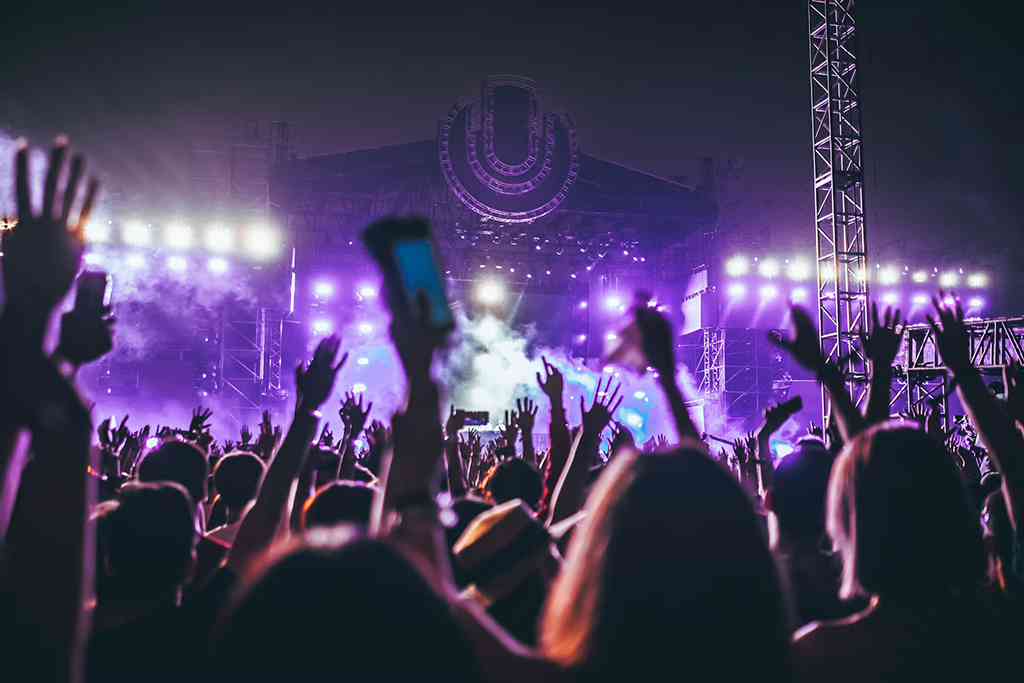
Festival sound must reach thousands of people across large outdoor spaces, so levels near speakers can become intense. Risk depends on volume, distance, and exposure time. Even if one set feels comfortable, spending eight hours moving between stages can create a significant cumulative dose.
Bass may feel less harsh than a high-pitched sound, but it still contributes to exposure. Stand farther from speaker arrays, take quiet breaks between performances, and avoid lingering beside sound equipment. If you need to shout to someone standing an arm’s length away, treat that as a warning that your ears need protection or distance. Festival organizers can help through quiet zones, clear sound-level policies, and free earplug stations.
Tinnitus in Your Twenties
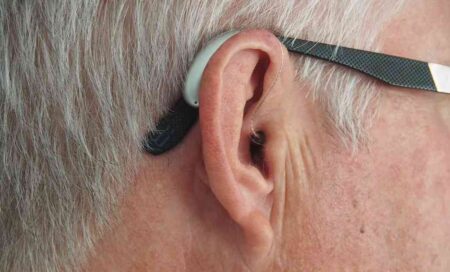
Tinnitus can sound like ringing, buzzing, or hissing when no outside source is present. After a loud event, it may fade within hours, but festival-related ringing can sometimes continue. Repeated episodes deserve attention because temporary symptoms may signal that the auditory system has been stressed.
If ringing lasts more than a day or comes with dizziness, pain, or noticeable hearing loss, arrange a clinical hearing evaluation. This guide to ringing after live concerts explains why early attention matters. When attorneys need objective evaluation of a hearing loss, tinnitus, or dizziness claim, a forensic audiologist can assess records and evidence. Fans should also document when symptoms began, how long they lasted, and which event preceded them.
Legal Accountability for Venue Decibels
Rules for amplified sound vary by jurisdiction, venue type, and event permit. Some standards focus on neighborhood noise, while workplace requirements may protect staff more directly than ticket holders. That patchwork can leave audience members unsure who monitors exposure inside a venue.
Promoters and venue operators can still adopt practical safeguards. Calibrated meters allow staff to track levels throughout a performance, while logged readings create a record of changing conditions. Organizers can also set speaker exclusion zones, train employees to respond to complaints, and post hearing-protection guidance before entry. If an incident leads to a claim, ticket information, medical records, witness accounts, and sound logs may help establish the timeline and circumstances without relying on memory alone.
Smart Ways to Protect Your Ears
Wear filtered musician-style earplugs that lower volume while preserving more detail than basic foam models. Put them in before the performance starts, since early exposure still counts, and carry a spare pair in case one gets lost. The guidance on festival hearing protection also recommends planning instead of waiting until the sound becomes uncomfortable.
Choose a spot away from speaker stacks and give your ears quiet recovery time after the show. Skip loud headphones on the ride home and keep the next day relatively calm if possible. Reusable plugs should fit snugly without causing pain, and custom-fitted options may suit frequent concertgoers. Protecting your hearing doesn’t dull the experience. It helps ensure that the final encore ends when the music does.