




The first months after graduation can turn everyday stress into a physical ache that seems to collect around your hairline. New workloads, uncertain career plans and disrupted routines often leave little space for proper rest. Burnout symptoms can include fatigue, sleep changes, headaches and difficulty concentrating, while an early quarter-life crisis may add financial worry or a nagging sense that you’re falling behind.
Your scalp may feel tight, tender or unusually sensitive during these periods. Stress doesn’t literally live there, but the muscles and habits surrounding your head can make it feel that way.
Physical Toll of Early Career Pressure
Early career pressure rarely ends when you close your laptop. You may continue checking messages over dinner, clench your jaw during the commute or stay awake replaying a meeting. Over time, poor sleep and sustained muscle tension can contribute to headaches, low energy and irritability.
Daily care often slips too. Dry shampoo may replace washing for several days; product can accumulate around the roots, and tight hairstyles may become the quickest option before work. If your scalp feels uncomfortable, first loosen restrictive styles and return to gentle, regular cleansing. Persistent itching, scaling, sores or sudden hair loss needs advice from a GP or dermatologist because stress may not be the only cause.
Where Upper Body Tension Hides
Stress commonly shows up across the jaw, temples, neck and shoulders. A screen positioned too low encourages your head to drift forwards, while raised shoulders can become your default posture during concentrated work. Even holding your phone between your shoulder and ear can leave one side feeling sore.
Run a quick body check at lunch. Let your tongue rest, separate your teeth and lower your shoulders as you breathe out. Then turn your head gently from side to side without forcing the movement. If you want professional downtime alongside scalp cleansing, exfoliation and massage, a Jackson head spa offers these services for people in the Jackson, Michigan area. Massage can feel relaxing, though it shouldn’t replace medical care for unexplained pain or scalp changes.
Deep Scalp Care as a Restorative Therapy
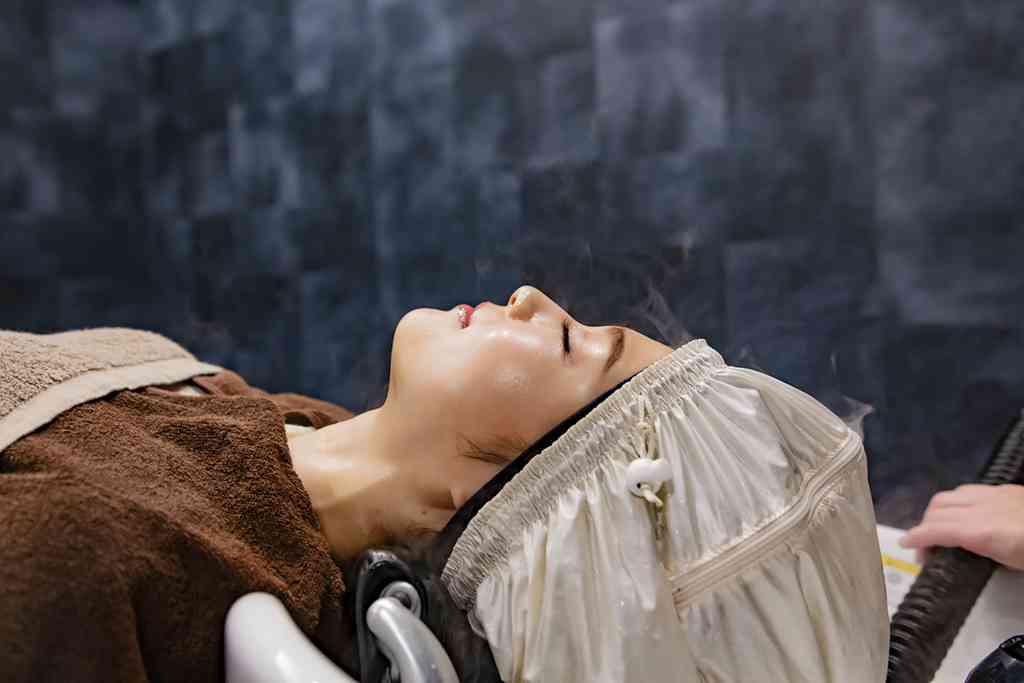
Deep scalp care gives you a defined break from work while addressing oil, sweat and styling residue. A typical routine might include cleansing, careful exfoliation, hydration and massage. The value lies partly in the sensory reset: warm water, slow touch and time away from notifications can help your body shift out of its constantly alert state.
At home, keep the process gentle. Use the pads of your fingers for two or three minutes and avoid scraping with your nails. Rinse products thoroughly and follow their stated frequency, since aggressive exfoliation can irritate healthy skin. Stop if you notice burning or increased tenderness. Anyone with an active skin condition, recent procedure or broken skin should ask an appropriate healthcare professional before booking intensive scalp care.
Building an Unhurried Recovery Routine
Recovery works better when it appears regularly in your diary instead of waiting for a completely free weekend. Choose a consistent finishing time on two or three evenings each week, place your phone out of reach and spend 20 minutes on something physically calming. That might include washing your hair slowly, taking a warm shower or stretching your upper back.
Protect the basics as well. Eat away from your desk, take brief screen breaks and keep roughly the same sleep and wake times. If applications are adding another layer of pressure, this job-search routine can help you organise the work without allowing it to fill every evening.
Notice what happens before scalp tension flares. A deadline, a tight bun or three hours without moving may reveal a pattern. Record those triggers for a week, then adjust the most obvious one. A higher laptop screen or a five-minute pause between work and dinner can ease the strain before your next wash day becomes an emergency reset.
The aim is to make care ordinary enough that your body no longer has to demand it. When your jaw softens, your shoulders drop, and your scalp stops feeling like a pressure gauge, that’s a useful sign your routine is creating genuine room to recover.