




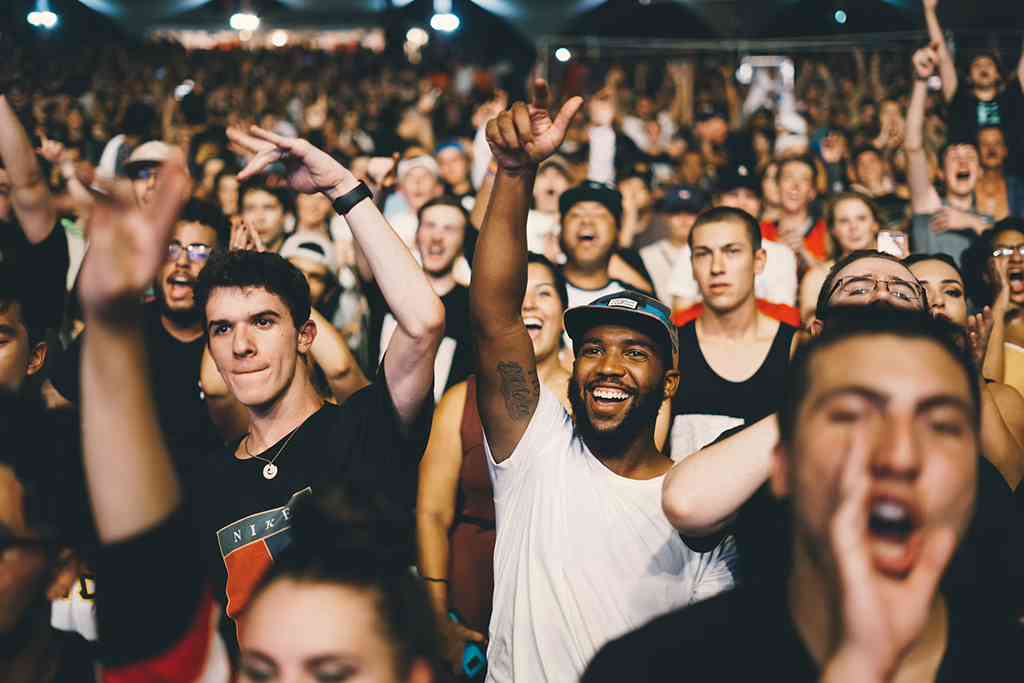
A faint whistle or hum after a loud concert can signal that your ears have been under too much strain. This form of tinnitus may fade by the next morning, but that doesn’t make it harmless. Repeated exposure to high sound levels can affect the delicate structures involved in hearing, sometimes before you notice any change in everyday conversations.
What That Lingering Post-Show Buzz Means
Inside the inner ear, tiny sensory cells help convert sound vibrations into signals your brain can understand. Loud music can overload these cells, leading to ringing, buzzing, muffled hearing, or a feeling of fullness in the ears.
You may notice that voices sound dull after leaving the venue or that you need to turn up the television the following day. These symptoms often reflect a temporary shift in hearing sensitivity. They can improve after several quiet hours, yet each episode indicates that the sound level exceeded what your ears could comfortably handle, highlighting the importance of proper ear care. Ringing in one ear, dizziness, or sudden hearing loss needs prompt medical attention.
When Temporary Damage Turns Persistent
Post-concert ringing commonly settles within several hours, though it may last a day or two. The risk rises when loud events become a regular part of your schedule, and your ears don’t get enough recovery time between them.
Pay attention if the sound lasts longer after each show, appears during quiet moments, or starts affecting sleep and concentration. Persistent muffling can also make speech harder to follow in busy restaurants or group conversations. At that point, a professional hearing evaluation can measure how well you hear different pitches and help identify changes that casual online checks may miss. Keep a note of when symptoms started and whether one ear feels worse.
Knowing When to Get Tested
Arrange a test if ringing continues for more than a few days, returns frequently, or comes with noticeable difficulty understanding speech. You should also seek advice if friends say you’re speaking more loudly, you keep asking people to repeat themselves, or familiar sounds seem less clear.
Don’t wait for severe symptoms if concerts, rehearsals or other loud environments are a regular part of your life. A baseline test gives an audiologist something to compare with later results. Sudden hearing loss, especially in one ear, requires urgent medical assessment. Bring details about recent noise exposure, medications, and ear symptoms to the appointment since that context can help the clinician decide what testing you need.
Smart Ways to Protect Your Ears
Wear well-fitting earplugs at concerts and put them in before the main performance begins. High-fidelity versions reduce the overall volume while keeping music clearer than basic foam models. Standing farther from speakers also lowers exposure, and short breaks in a quieter lobby give your ears useful recovery time.
Managing both volume and exposure time is central to safer listening at loud events. Keep headphone volume moderate after the show and give your ears a quiet night instead of adding more loud audio. Our guide to protecting your hearing health offers more habits for everyday listening.
If the ringing is still there when the room goes quiet the next evening, treat it as a reason to get checked, not a normal souvenir from a good show.