



Smart home technology can remove small daily hassles, from adjusting the thermostat before you arrive home to checking whether you locked the front door. A connected setup links compatible devices through an app, central hub, or voice assistant, giving you control from home or away. This overview of smart home benefits also highlights potential challenges such as cost, privacy and device compatibility. The best results usually come from choosing a few useful features first, then expanding your system as your routines and needs become clearer.
Automating Your Entry Points
Smart locks let you unlock a door through an app, assign temporary codes, and check its status remotely. They’re particularly helpful when a family member arrives early, or a tradesperson needs limited access. Set each code to expire automatically and enable notifications so you know when the door opens.
You can connect your garage to the same smart entry system. If you’re upgrading your setup, garage doors with compatible automatic openers can make everyday access more convenient and let you check the door’s status remotely. Before installing an opener, make sure the door is properly balanced and suitable for the equipment. Test the auto-reverse function, keep sensors clear, and never rely solely on app notifications for home security.
Energy Efficiency at Your Fingertips
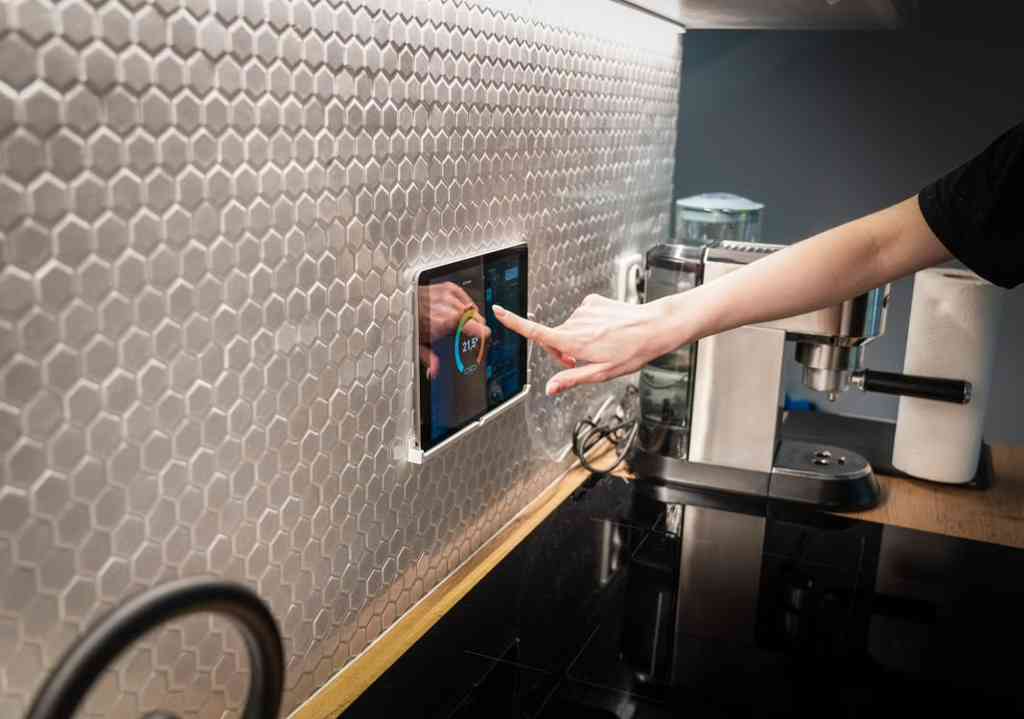
A smart thermostat can reduce unnecessary heating and cooling by following your schedule. For example, it might adjust the temperature after everyone leaves at 8 a.m., then restore a comfortable setting shortly before the first person returns. Smart plugs provide similar control over lamps, fans, and small appliances.
Use the device’s energy reports to spot patterns before building complex automations. If consumption rises overnight, check which connected equipment remains active. Smart blinds can also respond to sunlight, helping rooms stay cooler during bright afternoons. Many smart home technologies combine climate, lighting and shade controls, though even one well-configured thermostat can deliver useful day-to-day savings. Review schedules each season so they continue to match your household’s actual routine.
Enhancing Home Security
Connected cameras, motion sensors, and video doorbells make it easier to see what’s happening around your property. Choose camera positions that cover entrances without recording neighbors’ private spaces. Activity zones can limit alerts to specific areas, which helps prevent every passing car or swaying branch from triggering a notification.
Protect the network behind these devices too. Give your router a unique password, enable automatic updates, and turn on multi-factor authentication wherever it’s available. Each household member should have an individual account instead of sharing one login. Review saved recordings and access permissions every few months, especially after moving house or changing service providers. Battery-powered sensors also need regular reminders to charge or replace batteries.
A More Connected Lifestyle
The most useful smart home setup follows your normal habits. A bedtime routine could lower the thermostat, turn off downstairs lights, and confirm that exterior entry points are closed. Leak sensors near a washing machine or water heater can send an early warning before a small problem causes extensive damage.
Keep automations simple enough that everyone in the household understands them. Name devices by room and purpose, such as “hallway lamp,” then document any less obvious routines in a shared note. Privacy settings also deserve regular attention since app permissions and cloud-storage options can change after updates.
Start with the task that causes the most repeated frustration. Once that feature works reliably for several weeks, you’ll know if another connected device would genuinely improve the routine or merely add another app to check.