


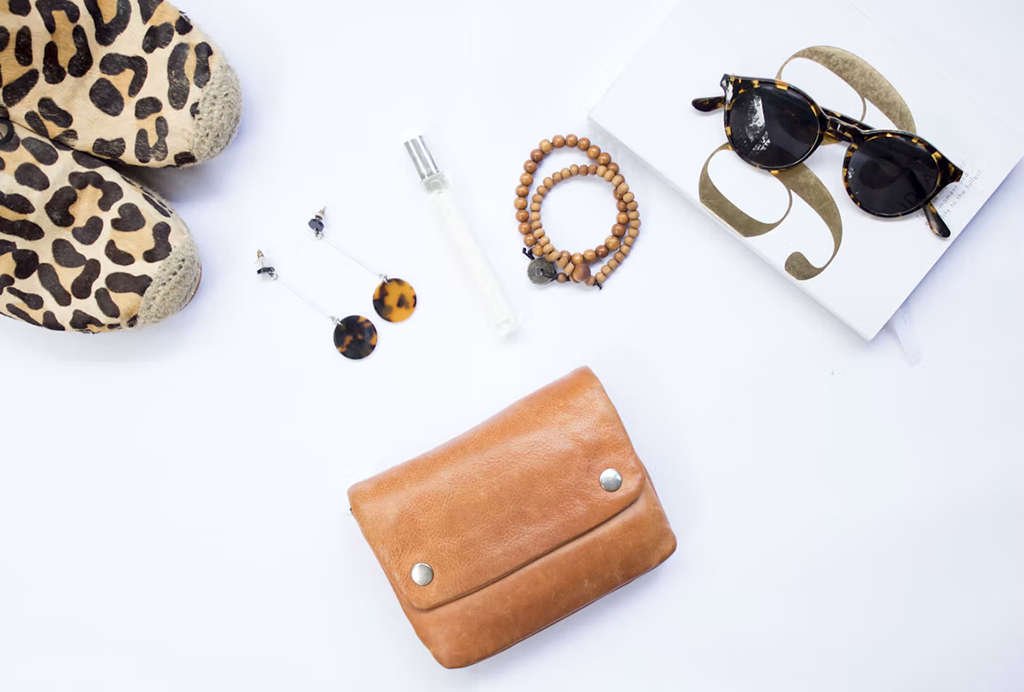
The accessories you reach for each morning offer small but revealing clues about your priorities, experiences and sense of style. A well-worn watch may reflect practicality, while a bright scarf can signal confidence or creativity. Even functional items such as a wallet or key holder contribute to the impression you create.
These details carry extra weight because they tend to stay in regular rotation. Clothing may change from day to day, but favorite accessories often become familiar signatures. Paying closer attention to them can help you build a wardrobe that feels more personal and works harder for you.
Beyond the Outfit: Accessory Power
Accessories can change the character of an outfit without requiring a full wardrobe update. A plain white shirt and dark jeans might look relaxed with canvas sneakers and a woven belt. Pair the same clothes with polished shoes, a structured bag and a simple watch, and they become suitable for dinner or a casual office.
That flexibility makes accessories useful when your closet feels repetitive. Practical advice on transforming existing outfits often focuses on changing focal points through color, scale and texture. A patterned scarf draws attention toward the face, for example, while a distinctive belt gives shape to a loose dress or long shirt.
Start by identifying the visual center of your outfit. If your clothing already includes a strong print, choose accessories with clean lines and restrained colors. When the base is simple, one expressive piece can carry more detail. This approach keeps several items from competing for attention.
Scale matters too. A large tote may overwhelm a finely tailored outfit, while a tiny bag can feel out of place during a busy workday. Consider where you’re going, what you need to carry and how the accessory relates to the proportions of your clothing. The best choice should look deliberate while still serving a real purpose.
Crafting Your Personal Narrative
Personal style develops through repeated choices. The ring inherited from a relative, the watch bought after a promotion or the handmade bag found during a memorable trip has meaning beyond its appearance. Over time, these objects become part of the story you tell without having to explain it.
Personalization strengthens that connection. Guides to self-expression through accessories highlight options such as initials, chosen colors and designs tied to an interest or milestone. These details can make an everyday object feel specific to its owner instead of interchangeable.
For people whose style reflects Western traditions, ranch life or rodeo achievements, custom belt buckles can serve as handcrafted markers of identity and accomplishment. A personalized piece works best when its materials, proportions and imagery relate naturally to the person wearing it. You might select a design connected to family history, a professional achievement or an established personal style.
You don’t need every accessory to carry a major story. Too many symbolic pieces worn together can make an outfit feel crowded. Choose one item as the focus, then let simpler supporting pieces provide balance. A meaningful pendant may sit alongside small earrings, while an engraved buckle can work with neutral boots and an understated watch.
Before buying something personalized, ask if the design will still feel relevant several years from now. A lasting connection usually comes from genuine interests and experiences, not a passing slogan or trend.
The Art of Thoughtful Details
Thoughtful style often comes down to how pieces relate to one another. Exact matching can look overly planned, so aim for coordination instead. A brown leather belt doesn’t need to be identical to your shoes, but similar warmth in the two shades can create a clear visual connection.
Texture offers another way to build depth. Smooth metal, grainy leather, soft fabric and woven materials catch light differently. Combining two or three textures can make a simple outfit more interesting without adding bold color. An outfit built around denim and cotton, for instance, gains definition from a leather bag and a brushed metal watch.
The psychology of personal style also helps explain why recurring details become recognizable. Friends and colleagues may begin to associate you with a certain color, type of jewelry or bag shape. Consistency can create a signature, even when individual outfits vary.
Use a quick three-point check before leaving home:
- Confirm that your main accessory suits the setting and activity.
- Remove one item if several pieces compete for attention.
- Check comfort, fit and function before focusing on appearance.
That final point deserves attention. Earrings that pull, a belt that needs constant adjustment or a bag that strains your shoulder will affect how you carry yourself. Comfort supports confidence because you can focus on the people and tasks in front of you.
Care is part of the detail work as well. Wipe metal pieces after wear, store jewelry separately to prevent scratches and give leather items enough space to hold their shape. Clean, maintained accessories look more intentional and usually last much longer.
Investing in Timeless Pieces
A timeless accessory earns its place through frequent use, reliable construction and a design that fits your life. Price alone doesn’t guarantee any of those qualities. Before purchasing, look closely at stitching, fasteners, edges, lining and the points that will receive the most stress.
The case for investing in accessories becomes stronger when you calculate the cost per wear. A $180 bag used three times a week for two years costs about 58 cents per use. A $45 trend-driven bag carried five times costs $9 per use. Those figures don’t decide the purchase for you, but they provide a practical way to compare long-term value.
Think about maintenance before committing. Light-colored suede may be beautiful, but it requires more attention than a darker, easy-to-clean material. Delicate chains can suit occasional events, while daily jewelry needs secure clasps and durable links. Your schedule, climate and habits should guide the decision.
It also helps to define your core accessory categories. Many people need a dependable everyday bag, one belt for casual clothing, another for dressier outfits, a versatile watch and a small jewelry selection. Your list may look different if you travel often, work outdoors or attend formal events regularly.
When possible, handle an item before buying it. Open the closures, inspect the back and test how it feels during normal movement. For online purchases, review dimensions with a ruler since product photos can make scale difficult to judge. Check repair options and care guidance too. An item that can be cleaned, resized or repaired has a better chance of remaining useful for decades.
Everyday accessories become most expressive after they’ve been used, cared for and connected to real memories. The slight patina on a favorite buckle or the softened handle of a trusted bag can make it more distinctive than a new item chosen only for the season. Leave room for that character to develop, and your collection will begin to look unmistakably like yours.