




Flooding is something many homeowners associate with major storms or overflowing rivers. In reality, there are so many different causes behind a house flooding that you may not even realize that your property could be at risk.
While no property is completely immune to extreme weather, it’s helpful to gain a better understanding of the most common causes of flooding. This can help you spot potential problems before they turn into costly repairs.
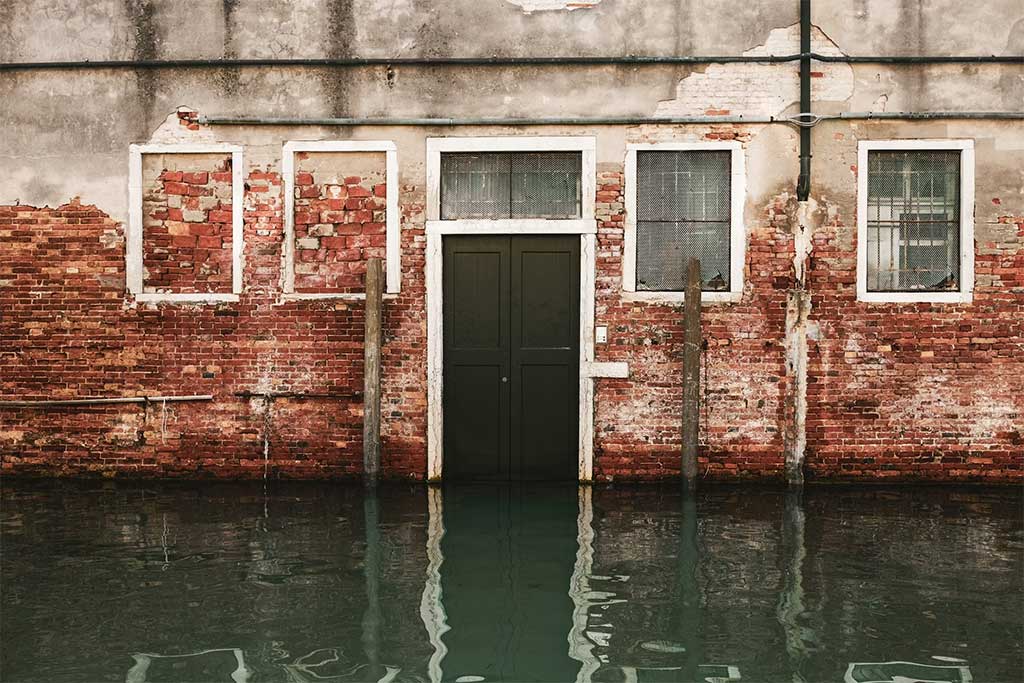
#1. Living Near Water Without Proper Flood Protection
Owning a home near a lake or any other body of water has obvious advantages. But it also comes with additional responsibilities. Water levels can rise after prolonged rainfall or upstream snowmelt (or even storms), which puts properties at greater risk of flooding.
Homes in these areas often require flood protection features such as flood barriers, for example. Some properties can also benefit from elevating critical equipment above expected flood levels, like HVAC systems and electrical components.
#2. Heavy Rain That the Soil Can’t Absorb
Sometimes the problem isn’t how much rain falls but where it goes afterward. During prolonged and intense rainfall, the ground can become saturated, especially for soils that contain a high percentage of clay. Once the soil has reached its limit, the water begins pooling on the surface.
That’s where drainage systems become essential. French drains are designed to collect excess groundwater and carry it safely away from your home foundation.
So, if you’re experiencing standing water after storms, it’s worth reaching out to experts like DRK Enterprises to discuss the installation of a dedicated French drain system for your property.
#3. Poor Yard Grading
Water naturally follows the path of least resistance. If your yard slopes towards your home instead of away from it, every rainfall could flood your foundation. It may not be obvious at first, and perhaps it may not lead instantly to flooding. But once water starts collecting around your foundation area, this becomes a significant risk.
Fortunately, it’s easy to resolve the issue by regrading the landscape. You can also add retaining walls where needed to change the slope of the land and redirect the water away.
#4. Clogged Gutters and Downspouts
Gutters are designed to move rainwater safely away from your home. But if they are clogged with debris, they can’t do their job properly.
When gutters overflow, the water pours directly down the exterior walls and pools around the foundation. Over time, this can lead to leaks and even damp basements. The full property may not be at risk of flooding, but the basement is also accumulating humidity.
It’s an easily resolved issue, as clearing your gutters and checking on downspout discharge will fix it.
#5. Firefighting Efforts Flooding Home
IN the event of a house fire, firefighters often need to use large volumes of water to bring the blaze under control. While protecting lives and preventing the fire from spreading is the priority, the water can cause significant flooding damage behind.
Ironically, one of the best ways to reduce this risk of flooding is to minimize the likelihood of a serious fire in the first place. This means testing smoke alarms and replacing aging electrical wiring. Additionally, avoiding flammable materials next to the cooking area or portable heaters is a must.
House flooding isn’t always caused by a single dramatic event. More often than not, it’s the result of poor maintenance issues or preventable risks that are allowed to worsen over time.