




Parents today are thinking differently about education. Academic performance is still in the forefront, of course, but many families are also seeking qualities like adaptability, confidence, and global communication skills when planning for their children’s future.
The world students are growing up in looks very different from the one their parents experienced. Ultimately, in an era of remote work, international collaboration, and digital communication, it is important for children to learn how to grow connected. As a result, education needs to prepare them for a global environment, rather than just being a path for good grades.
This shift is the primary reason for families to research the best international schools to help prepare children for a future that may require more flexibility and cultural awareness than previous generations experienced.
Bilingualism
English may be the main spoken language in parts of the USA, but this isn’t the only language available for business. So, learning languages has become one of the biggest triggers for parents to consider interactional education environments.
More and more professionals nowadays are starting to learn additional languages to improve their career opportunities. For students attending international boarding schools, however, multilingual communication is a natural part of everyday life and education. The professionals of tomorrow wouldn’t need to learn a new language to boost their careers. They would already speak it from the start.
This also provides long-term advantages beyond academics alone. Ultimately, students who regularly communicate in multiple languages can develop stronger confidence while interacting with people from different backgrounds, which means they can fit in multicultural environments naturally.
A Strong Sense of Independence
Independence and personal responsibility are some of the most problematic skills to develop for young adults who are leaving home for the first time to attend their first job or enter college.
Ultimately, no matter how good the grades are at school, grades do not teach practical life skills. But boarding schools are more likely to help develop these important aptitudes, as they encourage students to manage schedules, balance responsibilities, and organize themselves both during their academic and personal time.
Gradually, children can learn how to become independent decision-makers who can navigate unfamiliar situations confidently. This is particularly important because being independent enables them to pursue their goals without being distracted and losing focus, which is a positive attitude to develop.
Living Among Different Cultures
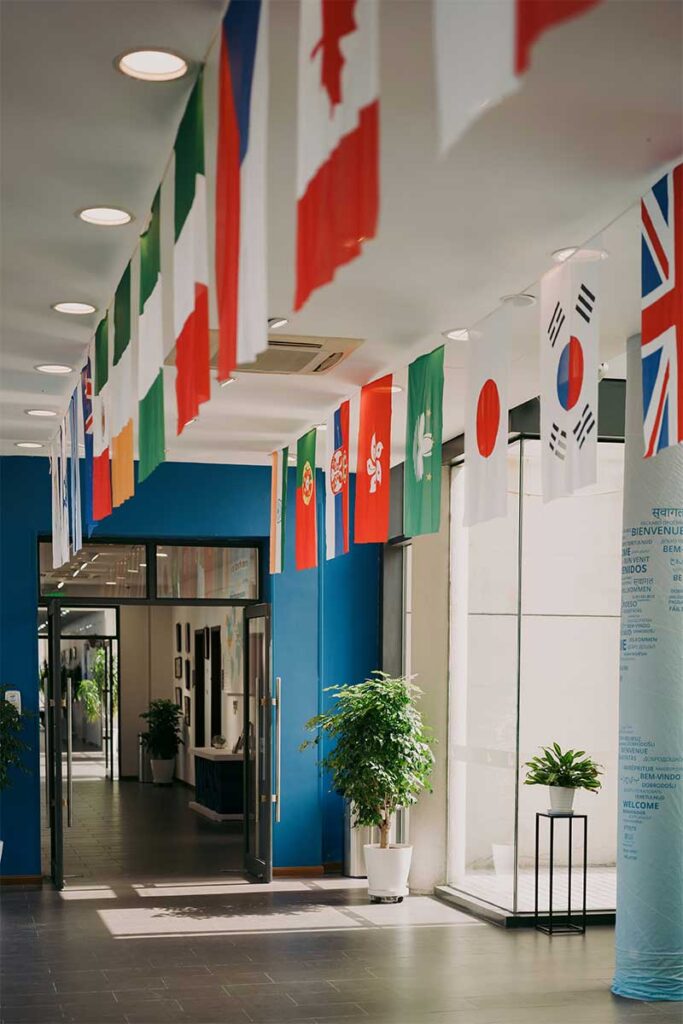
International education environments expose students to perspectives, ways of thinking, and experiences they may not be able to encounter in more traditional settings.
Meeting students from different countries is more than a case of open-mindedness. This also helps children learn to approach any given problem or situation from multiple angles. The days of Americanism as the sole global force are long gone, and if the businesses of tomorrow want to survive, they need people who think outside the American box. Studying abroad helps reframe the mind and escape the cliches of the national culture.
Ultimately, when there is strong competition from businesses and creators in China, Nigeria, South Korea, and the EU, American children can’t afford to maintain their US-focused thinking for fear of bringing outdated ideas to the market.
International education represents a way to help children develop the skills, mindset, and confidence they will need to succeed in an increasingly connected and globalized world.