




Family land usually isn’t something that you talk about, especially at the dinner table when everyone’s visiting. It’s something that gets passed down, talked about at gatherings, and maybe visited every now and then.
But when you start looking at it through a financial lens, it can open your eyes a little to the opportunities at hand. What feels like a sentimental asset can also hold real, untapped value. And in some cases, that value has been sitting there for years without anyone really noticing.
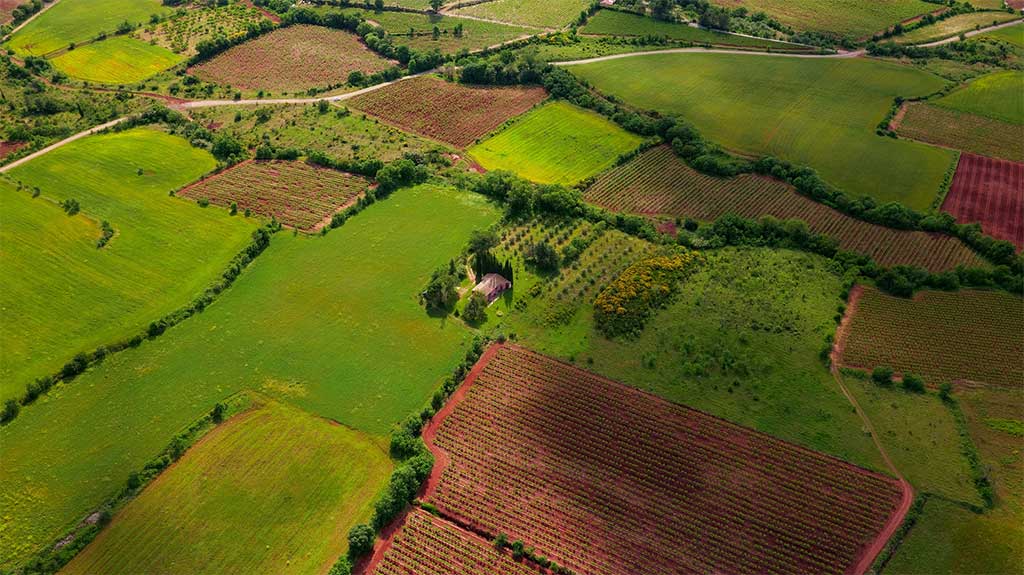
Family land is often overlooked as a financial asset
A lot of people don’t immediately connect land ownership with active wealth. Part of that comes from not knowing what’s actually included. Owning land doesn’t always mean you own everything tied to it, especially when it comes to what’s beneath the surface. That uncertainty can make it feel easier to leave things as they are.
When thinking about investing your money, land doesn’t always come up in the same way as stocks or property developments. But in reality, it can play a similar role, just in a quieter, more long-term way.
Unlocking value beneath the surface
One of the less obvious areas of value comes from mineral rights. If your family happens to own these, it can open the door to income streams that aren’t always talked about. This is where oil gas royalties come into the picture. These are payments made when natural resources are extracted from the land, and they can vary depending on production and market conditions.
Some families receive small, ongoing payments, while others might choose to sell those rights for a larger lump sum. That decision often comes down to what works best for your situation now versus what might come later.
Turning land into a steady income source
Even if there’s nothing happening beneath the surface, the land itself can still generate income in different ways. Leasing parts of the property for farming, grazing, or even seasonal activities like hunting can create a steady return without requiring much day-to-day involvement.
If the land is wooded, timber can also become part of the picture. Managed carefully, it can act like a slow-growing asset that can be accessed when needed, rather than all at once.
Knowing when to hold and when to cash in
Do you keep the land as it is, or do you use its value in a more immediate way? There isn’t one clear answer. For some families, holding onto the land makes sense because of what it represents. For others, turning part of that value into something usable now can feel more practical.
What matters is knowing what’s actually there. Once you understand the different ways your land can work for you, it becomes easier to make a decision that feels right for both your finances and your future.
Family land can feel like a fixed part of your life. It’s something that doesn’t change much over time. But financially, it might have more flexibility than it seems. Taking a closer look means you’re giving yourself more options.