





Today’s students are constantly on the go, juggling packed schedules, high expectations, and endless digital connections. From the moment they wake up, many kids are “on,” rushing from school to tutoring, then sports practice, and finally home to a mountain of homework. While this push for achievement often comes from a good place, it often misses a key ingredient for both success and happiness: downtime. Real, unstructured downtime is essential for a child’s brain, feelings, and social growth. Making rest a priority is one of the best ways to support a student’s overall well-being and, surprisingly, even their school performance.
The Pressure Cooker of Academics
The world of modern education can feel like a fierce competition. Students face huge pressure to do well not just in their main subjects, but also in a ton of extracurricular activities that will look good on future applications. The school day is just the beginning. Afternoons are often crammed with organized activities, from music lessons and language classes to competitive sports. Evenings are spent on homework, studying for tests, and projects that can keep them up late.
This constant busyness leaves little room for minds to wander, relax, or just be. The result is a generation of students who are increasingly stressed, anxious, and at risk of burning out before they even finish high school. When a child’s schedule is packed to the minute, they don’t learn how to manage their own time or entertain themselves. Relying so much on external structure can actually get in the way of them becoming self-reliant and internally motivated. The pressure to always be productive sends a harmful message that a person’s worth is tied to what they achieve, rather than who they are or how they feel. This kind of environment can stifle creativity and critical thinking, as students become more focused on giving the “right” answer than on exploring new ideas.
Benefits of Unstructured Play
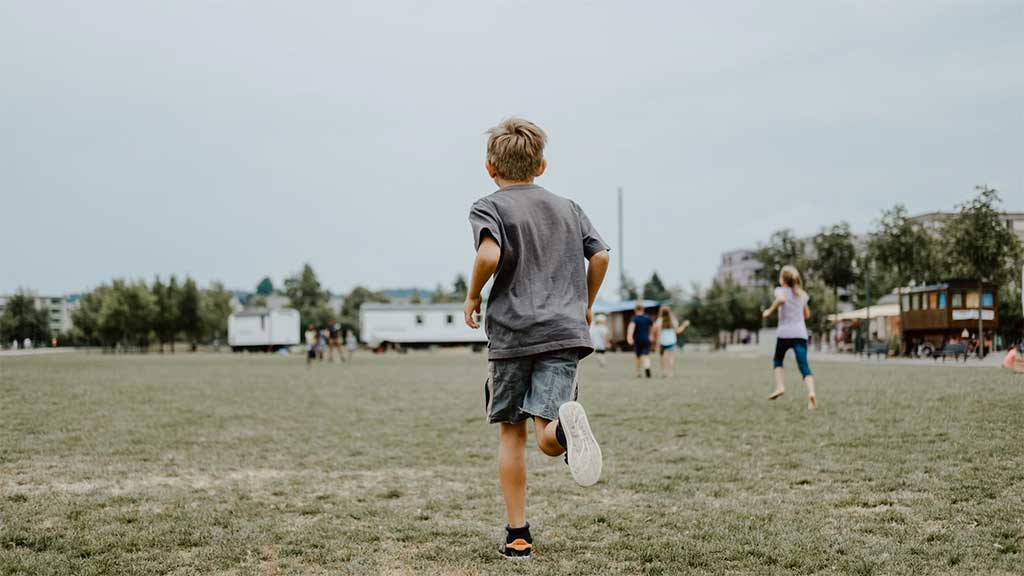
Unstructured play is the opposite of the highly organized activities that fill most students’ calendars. The child leads it, it’s open-ended, and it’s free from any adult-imposed goals or rules. Think about building a fort out of blankets, making up elaborate stories with action figures, or just digging in the dirt. While it might look like simple fun, the benefits of unstructured play are deep and far-reaching. In these moments of freedom, some of the most important learning happens.
When kids engage in unstructured play, they’re in charge. This independence helps them build vital executive function skills like planning, negotiating, and problem-solving. If a group of kids decides to put on a play, they have to figure out the plot, assign roles, and create costumes from whatever they can find. This whole process is a masterclass in working together and creative thinking. Plus, because unstructured time is important, it lets students explore their own interests and passions without the pressure of grades or evaluations. That inner drive is a powerful engine for lifelong learning.
Socially and emotionally, play helps children learn to read social cues, handle disagreements, and practice empathy. Structured group activities can be particularly useful because they give children regular opportunities to work with others, adjust to different personalities, and respond when things don’t go as planned. These experiences can happen in many settings, including school activities, community programs, or at the Elite SF multi-sport holiday camp, where children naturally have to navigate different personalities and play styles. When a game isn’t going their way, they learn to compromise, manage disappointment, and find ways to keep playing together, all of which helps prepare them for everyday relationships.
Recharging for Better Focus
The human brain isn’t built to stay intensely focused for hours on end. Like any muscle, it gets tired and needs rest to recover and perform at its best. When students are pushed from one task to the next without a break, their ability to concentrate drops, their memory suffers, and their creativity plummets. Downtime gives the brain the mental space it needs to recharge and sort through information.
It’s like hitting a reset button. When a student steps away from their desk to do something totally different, whether it’s listening to music, doodling, or just gazing out the window, they give their prefrontal cortex a much-needed break. This part of the brain handles complex thought, decision-making, and focus. When it’s overworked, it just doesn’t work as well. Taking a break allows the brain to shift into a more relaxed state, often called the “default mode network.”
Active Breaks Boost Brainpower
While quiet rest is important, not all downtime has to mean sitting still. In fact, adding physical activity to breaks can greatly boost brain function and overall well-being. Active breaks get the blood pumping, sending more oxygen and nutrients to the brain. This has been shown to improve concentration, lift mood, and reduce stress and anxiety.
Even short bursts of activity can make a big difference. A 15-minute walk around the neighborhood, a quick bike ride, or a living room dance party can be enough to reset a student’s focus and energy levels. Moving around stimulates the release of endorphins, natural mood boosters, and helps burn off the extra energy and restlessness that can make it hard for kids to sit still and learn. This mind-body connection is a crucial part of a student’s holistic development.
For longer school holidays, finding chances for sustained physical activity is key to preventing learning loss and promoting health. These environments offer a structured yet playful way for kids to try different sports, learn new skills, and interact with peers outside of school. It’s a type of downtime that actively supports a child’s physical fitness, social confidence, and mental toughness, helping them return to school refreshed and ready to learn.
Building Resilience Through Rest
Some people think that rest is a sign of weakness. But it’s actually the opposite. Knowing when you need a break and embracing quiet periods are cornerstones of mental and emotional resilience. Students who are constantly overscheduled and overstimulated never learn to be alone with their thoughts or to handle boredom. As a result, they might struggle to calm themselves down or cope with stress when challenges come up.
Downtime teaches children how to be comfortable in their own skin without needing constant external validation or entertainment. It creates space for self-reflection and helps them process their feelings, reflect on their experiences, and develop a stronger sense of self. This inner work is fundamental to building the emotional intelligence needed to navigate life’s inevitable ups and downs. Practical strategies for integrating this can be found in resources focused on playtime, downtime, and family time.
Most importantly, students who learn the value of rest are better equipped to manage pressure, bounce back from setbacks, and maintain their well-being throughout their academic careers and beyond.