




A modern dental practice handles much more than just clinical excellence. Daily operations involve a complex web of administrative tasks, patient communication, and financial management. This can easily overwhelm even the most organized teams. Integrating smart technology is no longer a luxury, but a strategic necessity for practices aiming to improve efficiency, reduce staff burnout, and enhance the patient experience.
Understanding Current Practice Challenges
Many dental offices struggle with operational bottlenecks that hinder growth and affect patient care. Administrative staff often spend a significant portion of their day on manual tasks like appointment scheduling, insurance verification, and processing payments. These repetitive duties are prone to human error and pull focus away from more valuable patient interactions. Communication gaps can lead to missed appointments and confusion about treatment plans. Inefficient inventory management can result in costly overstocking or disruptive shortages of essential supplies. Overcoming these hurdles is the first step to achieve workflow optimization and to build a more resilient practice. Without streamlined processes, staff can feel overworked and patients may feel their experience is disjointed.
The Role of Digital Tools in Efficiency
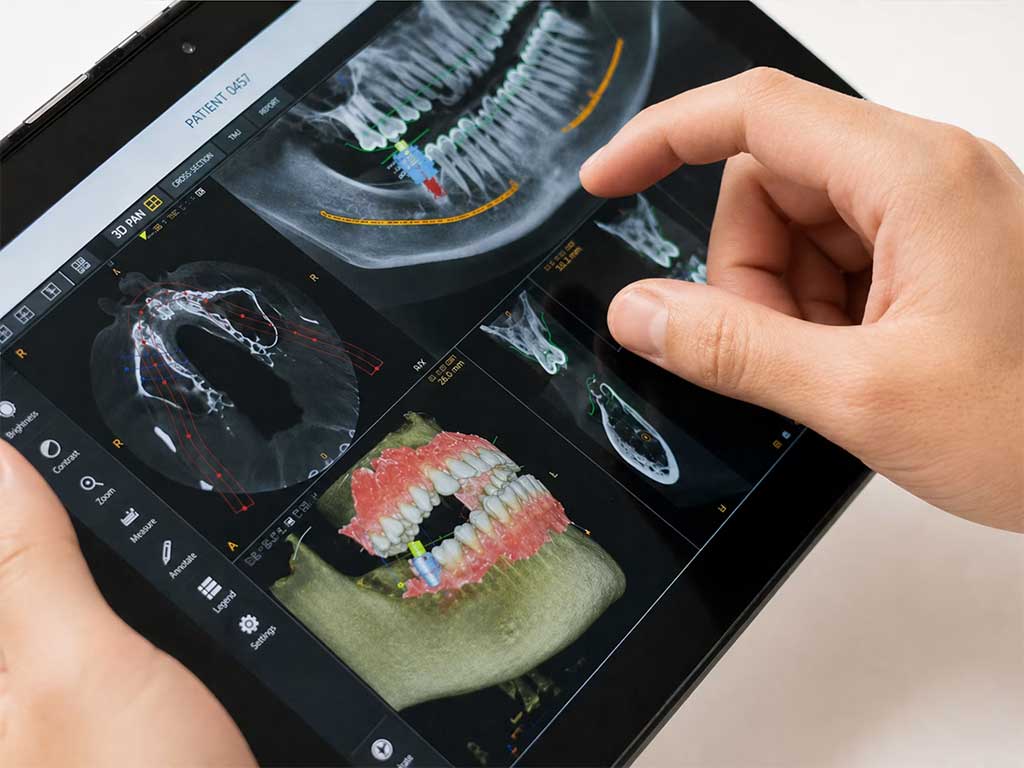
Digital technology directly addresses the core challenges of a busy dental practice by automating routine tasks and centralizing information. Tools like AI-powered diagnostic software can help clinicians identify potential issues on radiographs with greater accuracy. Automated scheduling platforms reduce the administrative burden on front-desk staff. A broader look at how technology and software can enhance business efficiency also shows how digital tools can help automate repetitive tasks and streamline daily operations. The adoption of these technologies is growing. For example, reports show that 32% of dentists are already using or planning to incorporate artificial intelligence to enhance their services. This shift allows the entire team to focus more on patient care and complex problem-solving, rather than getting bogged down in repetitive administrative work. Digital solutions create an environment where efficiency and quality care can coexist and thrive.
Streamlining Patient Management Systems
A modern Patient Management System (PMS) serves as the digital heart of a dental practice, unifying various administrative and clinical functions. Today’s systems go far beyond simple record-keeping. They offer integrated features that streamline the entire patient journey, from initial contact to post-treatment follow-up. This includes online appointment booking that syncs in real-time with the office calendar, automated email and text reminders that significantly reduce no-show rates, and digital intake forms that patients can complete at home. An integrated management review shows that combining these functions into a single platform eliminates data silos and improves communication between the front office and the clinical team. Secure patient portals also empower individuals to view their treatment history, manage appointments, and handle payments online, creating a convenient and transparent experience.
Data-Driven Decisions for Better Outcomes
The information collected by digital practice management systems is a valuable asset for strategic planning. By analyzing this data, practice owners can move beyond guesswork and make informed decisions that drive growth and improve patient outcomes. For instance, analytics can reveal key performance indicators such as patient retention rates, the most profitable procedures, and peak appointment times. This insight helps optimize staff scheduling to meet demand, tailor marketing efforts to attract specific patient demographics, and identify opportunities for introducing new services. Tracking metrics related to insurance claim denials can also help staff refine their billing processes to improve the revenue cycle. Using data effectively transforms a practice from being reactive to proactive, allowing for smarter resource allocation and long-term strategic development.
Preparing for Future Technological Shifts
The pace of technological change in the dental industry continues to accelerate. Practices that thrive in the coming years will be those that embrace an adaptable and forward-thinking mindset. Emerging technologies like teledentistry are expanding access to care. In-office 3D printing is making it possible to create crowns, bridges, and surgical guides on the same day. As AI becomes more sophisticated, it will likely play an even greater role in treatment planning, predictive analytics, and practice automation. To prepare, practices should prioritize investing in scalable and interoperable technology solutions.
By thoughtfully integrating smart technology, dental practices can overcome long-standing operational challenges and create a more efficient, profitable, and patient-focused environment. This evolution is not just about adopting new gadgets; it’s about fundamentally rethinking workflows to build a stronger foundation for future growth.