




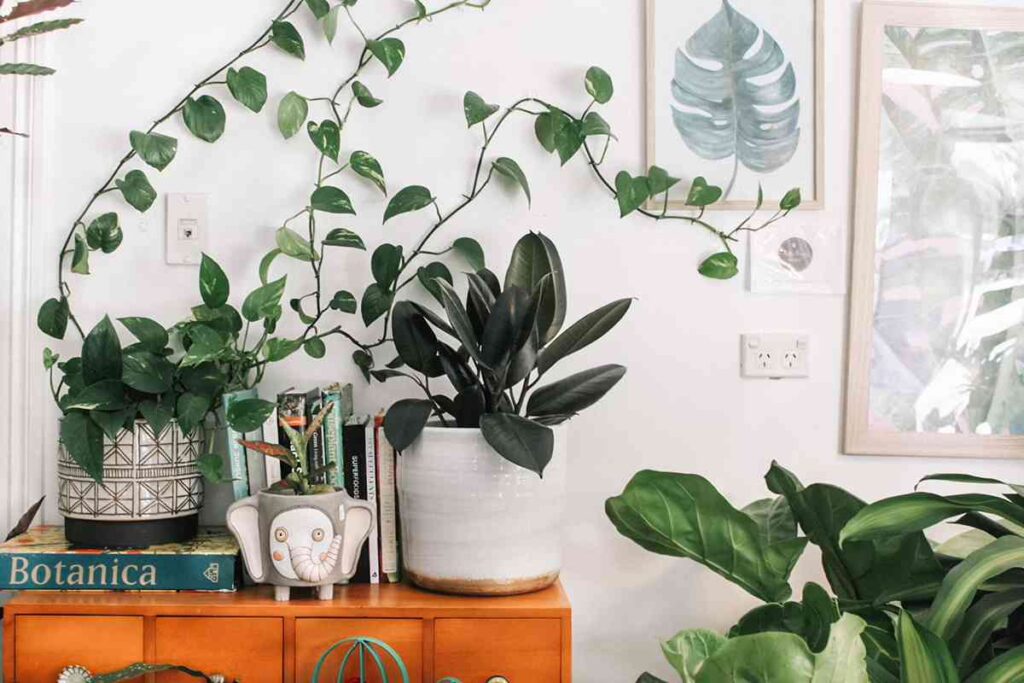
Caring for a plant, pet or small patch of soil can give a difficult day some gentle structure. A living thing asks for attention in clear, manageable ways, such as water, food, sunlight or a few minutes of care. Those simple responsibilities can create a welcome sense of purpose when stress or low energy makes everything else feel complicated.
Caregiving isn’t a substitute for professional mental health support. Still, it can sit alongside treatment, rest and other healthy habits as a practical form of everyday self-care.
Shift Focus Out of Your Own Head
Give your full attention to one small caregiving task when repetitive thoughts start taking over. Check a plant’s soil, brush a pet or remove dead leaves from a windowsill herb. The task engages your senses and directs your mind toward something concrete.
This can be especially useful during emotionally noisy periods. The personal account about mental overload in motherhood shows how relentless internal pressure can become. A brief care ritual creates a natural pause without demanding that you solve every thought first.
Keep expectations realistic. Five focused minutes may be enough to interrupt a spiral and help you decide what you need next.
Build Soothing Daily Routines
Attach a living-care task to something already in your schedule. You might check seedlings after making morning coffee, refill a pet’s water before lunch or mist tropical plants every Sunday. A consistent cue reduces the effort involved in remembering.
Simple routines can also support basic needs. The National Institute of Mental Health recommends mental health self-care, including regular exercise, sleep and relaxing activities. Caring for something living can act as a prompt for those habits. Water the herbs, then drink a glass yourself. Take the dog outside, then walk around the block.
If you miss a day, resume at the next familiar cue. A useful routine should support you without becoming another source of guilt.
Welcome Living Greenery Indoors
Start with one plant suited to the light and attention your home can provide. A pothos or snake plant may suit someone who travels often, while kitchen herbs usually need brighter light and more frequent watering. Check the care label before choosing a spot, then set a weekly phone reminder until the routine feels familiar.
Plants can also make thoughtful care packages for someone facing a demanding season. A plant gift delivery service offers a practical way to send living greenery to friends, relatives or colleagues in Melbourne or elsewhere in Australia.
Place your own plant where you’ll notice small changes. A new leaf, upright stem or fresh shoot offers visible evidence that steady attention has an effect.
Cultivate Patience with Personal Progress
Watch growth over weeks instead of expecting a dramatic change overnight. Plants often spend long periods developing roots before producing visible new leaves. Recovery can feel similarly quiet, with progress appearing through steadier sleep, one completed chore or a slightly easier morning.
A short care log can make gradual change easier to see. Record the date, what you did and one observation, such as “soil still damp” or “two new shoots.” You can add a sentence about your own energy that day. These notes turn vague impressions into a record of consistent effort.
For more low-pressure ideas, browse these simple self-care practices and choose what fits your capacity. If distress persists or daily tasks become hard to manage, contact a qualified mental health professional. Care works best when it includes both your living companion and you.
The next time you notice a new leaf unfolding, let it remind you that meaningful change often happens quietly before it becomes visible.