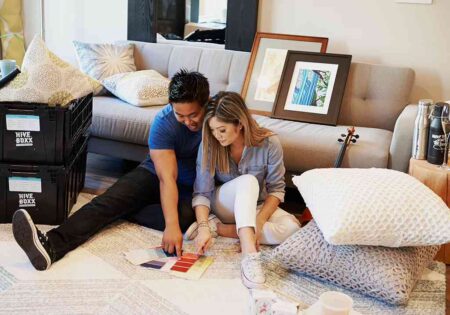




A well-designed home carries your personality into every space, including the rooms that rarely appear in photos. Garages, laundry rooms, entryways, and spare bedrooms all affect how smoothly daily life runs. Giving these areas the same attention as your main gathering spaces can reduce clutter, improve storage, and make your home feel more connected. The process starts with noticing how each room is used, then choosing practical updates that fit your style.
Why Every Room Matters
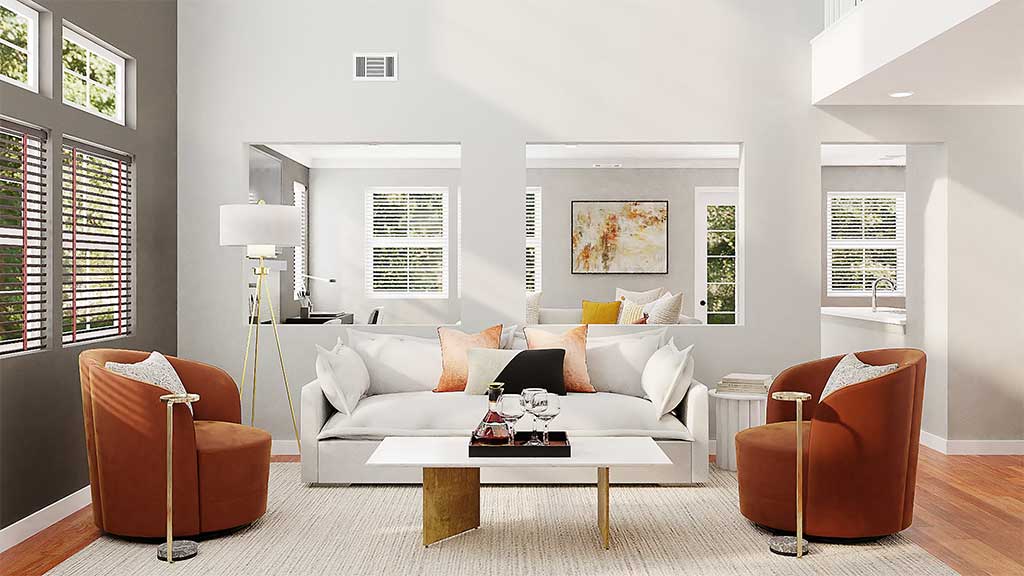
Most decorating plans begin with the places guests see, which explains the abundance of refined living room ideas available online. Yet overlooked rooms often have a greater effect on your routine. A crowded entryway can slow down every morning, while poor lighting in a laundry room makes simple tasks harder.
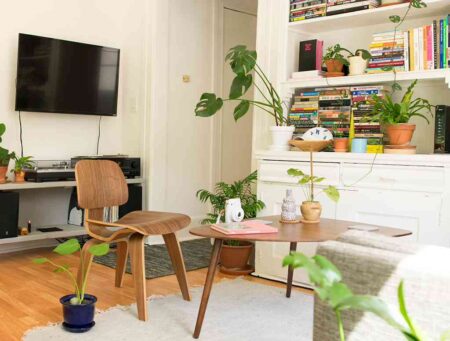
Walk through your home and note where clutter gathers, or movement feels awkward. A narrow hallway may need wall hooks and a slim console. An underused guest room could double as a quiet workspace with a compact desk. For more guidance on creating a home that reflects you, explore these ideas for designing a space with personal style.
Unlocking Hidden Potential
Garages offer some of the most useful untapped space in a home. Before buying cabinets or shelving, clear the floor and divide belongings into keep, donate, and discard groups. Then measure the available walls, corners, and overhead areas. This gives you a realistic plan for storing sports equipment, gardening supplies, and seasonal decorations.
The floor also deserves attention because it influences appearance, cleaning and long-term maintenance. Phoenix homeowners considering a professional epoxy coating can consult Armor-Kote Garage Floors for floor repairs, stem wall treatment, and one-day installation options. Once the foundation is clean and durable, marked storage zones and wall-mounted racks can turn the garage into a more organized extension of the home.
Designing Functional & Fabulous Spaces
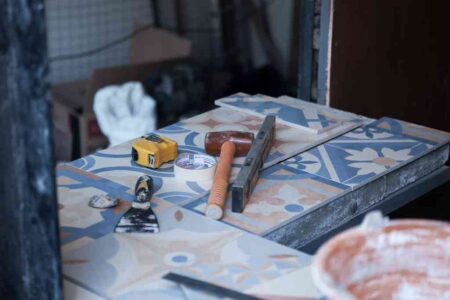
Start with function, then use color and texture to make a practical room feel finished. In a mudroom, closed cabinets can hide shoes while patterned tile adds character. A laundry area may benefit from a folding counter, labeled baskets, and a warmer wall color. If you need inspiration, these living room paint ideas can translate easily to offices, hallways, and utility spaces.
Keep traffic patterns in mind as you arrange furniture and storage. Leave about 36 inches of clear walking space where possible and place frequently used items between waist and eye level. Matching hardware, repeated colors, and similar light fixtures can also connect secondary rooms to the rest of your decorating scheme without requiring a full renovation.
Style That Lasts
Rooms stay attractive longer when their materials suit the work they handle. Washable paint makes sense in an entryway, while moisture-resistant finishes are better for bathrooms and laundry areas. Storage should also leave some open capacity. A cabinet packed on installation day will become difficult to maintain as household needs change.
Choose a simple base palette and add personality through items that are easy to replace, such as framed prints, rugs, baskets, and cabinet pulls. Before committing to a finish, bring a sample into the room and view it in morning and evening light. That small test can reveal unexpected undertones or maintenance concerns.
The best final detail may be a labeled shelf near the garage door, a brighter bulb above the folding counter, or a washable runner in the hallway. These specific choices help the quieter parts of your home look intentional and work better every day.