




Let’s imagine a situation happening sometime in the indistinct future. Something in your (by now very smart) home has gone wrong. A key bit of equipment is no longer working, and you need it to. You know that people solve problems like this themselves all the time. Let’s say it’s a blocked sink. You could have learned how to do this at any time, but it was a problem for future you. The problem? Now you are future you.

This is an issue that is hugely common for people living on their own for the first time, or who have just moved away from the family home. And it can be surprisingly intimidating, but there is good news: most of these practical skills aren’t as difficult as they seem. Learning a few basic DIY abilities can save you money, reduce stress, and make life a lot easier later on.
Learn to troubleshoot before you panic
One of the most useful skills isn’t actually fixing things – it’s diagnosing the problem. A lot of household problems have simple causes: a filter needs clearing, or a hose is blocked. Possibly, something just needs tightening. Getting into the habit of investigating – even quickly Googling can make a big difference – can save time and help you become more confident when things do go amiss.
Get comfortable with basic maintenance
You don’t need to become a professional tradesperson to handle everyday tasks. Learning how to unclog a drain, assemble furniture, patch a small hole in a wall, or reset a tripped breaker can make a huge difference when you’re managing your own place. These jobs can look complicated until you’ve done them once. After that, they’re just another part of adult life.
Know the difference between DIY and Call A Professional
There is a difference between confidence and overconfidence, and it’s a large callout fee if you’re lucky, a trip to the emergency room if you’re not. A good rule of thumb is that if a mistake could cause structural damage to your home or to you, you should call in expert help. Electrical work is a great example: if you’re dealing with wiring problems or recurring issues, replace “this YouTube tutorial says I can totally fix our lighting” with “maybe there’s an electrician near me who is better placed to sort this out”.
DIY is a handy skill to have. But there will be times when it is better to do it someone else.
Build a basic toolkit
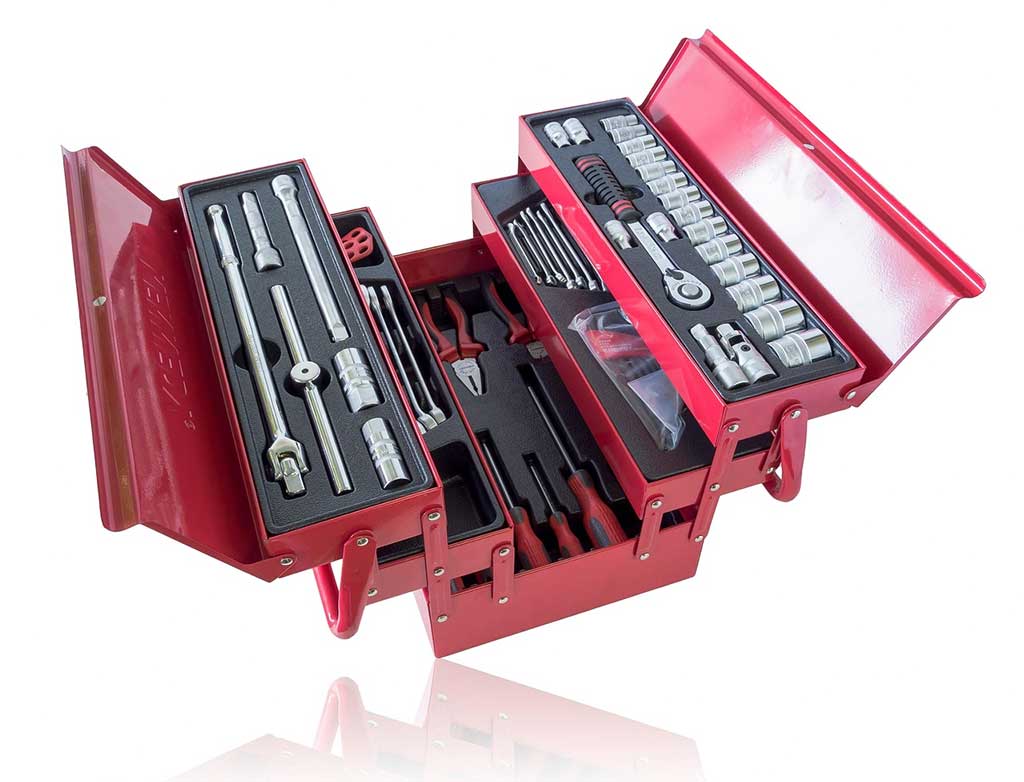
You don’t need one of those toolboxes on wheels – the ones the size of a small car – to be a little handy. But every independent adult should own a few essentials. A screwdriver set (yes, set, because different screws need different drivers), pliers, adjustable wrench, tape measure, flashlight and cordless drill will have you prepared for most everyday tasks. Start small, and add tools as your skills grow.
See DIY as an investment in the future
Nobody is brilliant at DIY to begin with. It’s a bit like being a doctor for things that aren’t alive. You learn as you go how to diagnose an issue; what the best cure is; and how to administer that care. And what might start with replacing a lightbulb can become something you end up genuinely enjoying, because when you’ve assembled your first bookcase or plumbed in a new washing machine, you truly feel a sense of accomplishment which can spread out into your everyday life.