




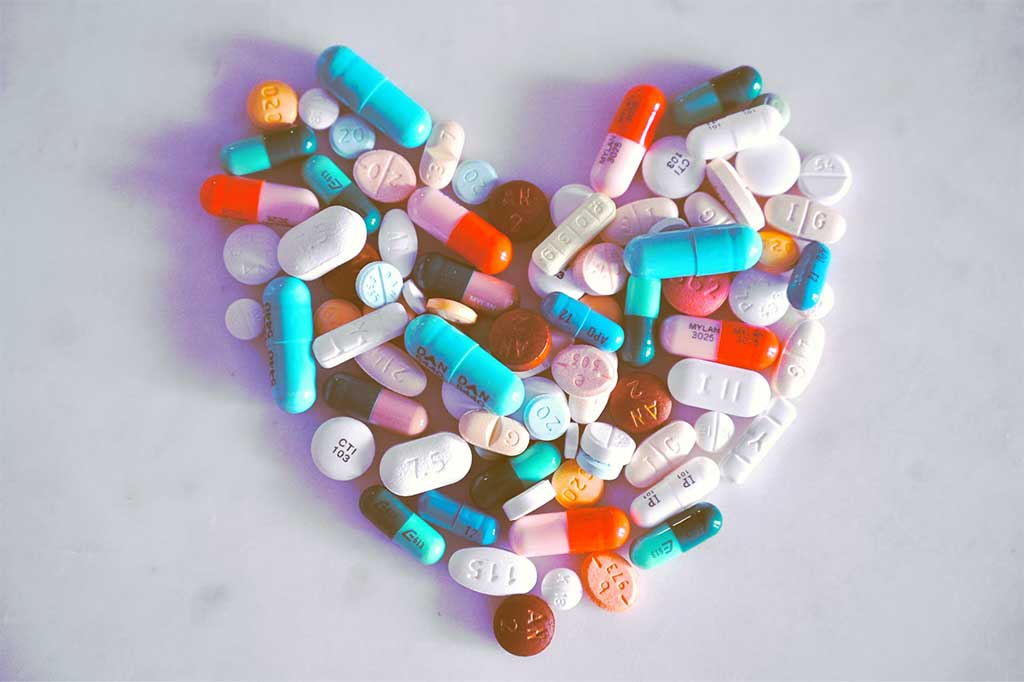
Everyone knows that antibiotics are sometimes essential, but where possible, you should minimise your antibiotic use as much as you can. They often work acutely for infections that your immune system can’t clear by itself. Taking them regularly or using them in the wrong context can lead to all sorts of negative outcomes that affect everyone in the community.
Here are some of the negatives.
Facilitates the rise of super bugs
Taking too many antibiotics facilitates the rise of superbugs. When you take antibiotics, they kill susceptible bacteria but leave some bacteria with mutations alive to survive and thrive. These bacteria can then pass their survival traits on to their offspring, making future antibiotic courses less effective. Eventually, many of these bacteria become completely immune to standard treatments and require secondary or tertiary antibiotics to be used. In some cases and for some diseases, no antibiotics at all are effective, and patients simply succumb.
According to Global Health Estimates, antimicrobial resistance is responsible for around a million deaths per year, and that number continues to rise. It is particularly problematic for patients undergoing surgeries and women in childbirth.
Damages your microbiome
Another problem with taking antibiotics regularly is that they can damage your microbiome. Most antibiotics are non-selective, meaning they don’t target only the bad bacteria but also the helpful ones living in your gut.
The immediate response to this is nausea, cramping, and diarrhoea. Over time, it can lead to long-term imbalances. Many people have problems with their gut microbiomes that last for months and even years, and sometimes the microbiome can never fully recover. This can increase the likelihood of long-term inflammation, allergies, and metabolic changes.
Harms your hearing
Some antibiotics are ototoxic, meaning they can harm your hearing. That’s because they disrupt the way the inner ear works and prevent it from functioning as it normally would. If you think your antibiotics are damaging your hearing, go to an audiologist and get a local hearing test. Then ask your doctor to change your medications to see if that improves your condition.
Usually, only specific types of antibiotics are harmful to hearing, but you may still want to take precautions anyway.
No effectiveness against viruses
Antibiotics are, of course, completely useless against viruses. Viruses enter regular human cells and co-opt them from the inside. This is different from bacteria, which exist as independent entities that can be targeted by regular antibiotics.
If you have a virus, then you should use antivirals. These medications are not as effective as antibiotics, but they can help reduce the length of an infection and support the immune system as it tackles the ongoing disease. Many people use antivirals for common colds, COVID-19, and the flu. Fortunately, antiviral medications are not the cause of super viruses.
Being a responsible patient means that you should not demand that your doctor provide antibiotics for every cold or infection that you get. Usually, they have the best available information on the right course of treatment for you. Don’t save antibiotics or share them. Taking the wrong antibiotics can be dangerous and lead to the rise of superbugs.