



Getting a good night’s sleep can feel like a challenge, especially when your bedroom feels more chaotic than calm. The environment where you rest has a huge impact on your ability to unwind and recharge. Creating a space that promotes relaxation doesn’t require a complete overhaul. With a few intentional adjustments to your room’s color, light, and layout, you can transform your bedroom into the sleep sanctuary you deserve.
Color Palette for Calm
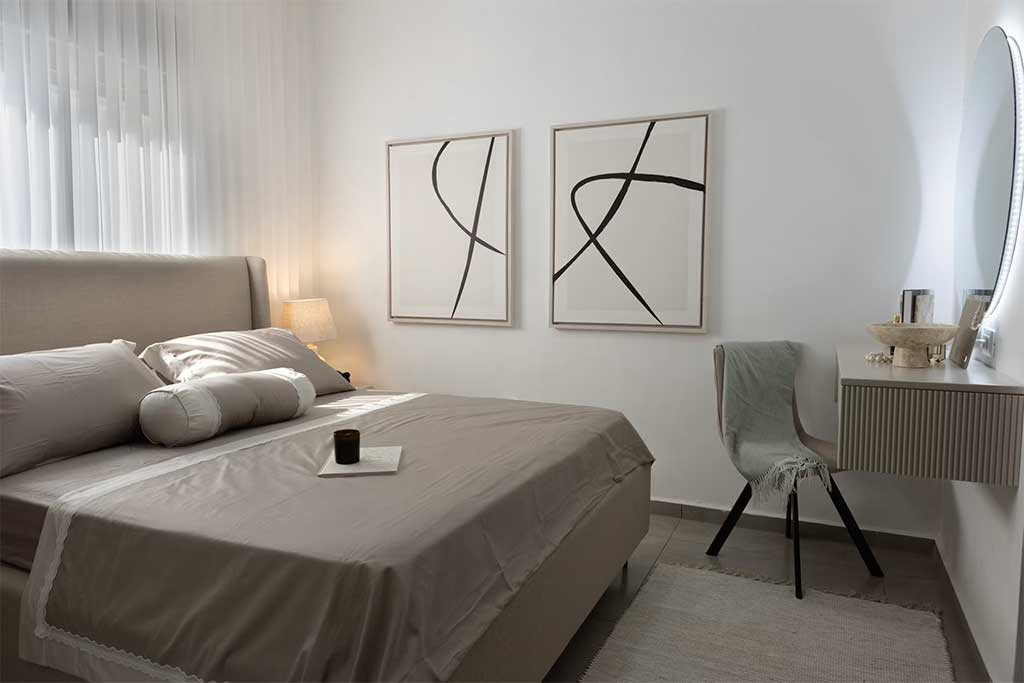
The colors surrounding you can significantly influence your mood. Bright, bold colors like red or orange can be energizing, which is great for a home office but not ideal for a space meant for rest. Instead, opt for a soothing and muted color palette. Soft blues, gentle greens, and warm neutral tones like beige or light gray are known to have a calming effect on the mind. According to the principles of bedroom color psychology, these hues can help lower blood pressure and slow your heart rate, preparing your body for sleep. You can introduce these colors through paint, bedding, artwork, or subtle decor accents.
Light Management is Key
Controlling the light in your bedroom is one of the most effective ways to improve your sleep quality. Your body’s internal clock is highly sensitive to light, and even small amounts from streetlights, passing cars, or a full moon can disrupt your sleep cycle. Blackout curtains are a popular solution for achieving total darkness. Investing in high-quality, functional window coverings can make a massive difference. You can find unique window treatments including custom shades, blinds, and drapery that not only block light effectively but also complement your room’s aesthetic. In the morning, opening them up to let in natural sunlight helps signal to your body that it’s time to wake up.
Minimize Digital Distractions
Our screens are a major source of sleep-disrupting blue light and mental stimulation. The constant pings and notifications keep our brains on high alert, making it difficult to power down. The best practice is to establish your bedroom as a tech-free zone, or at least the area immediately around your bed. Try charging your phone, tablet, and laptop on the other side of the room or in another room entirely. If you use your phone as an alarm, place it far enough away that you have to get out of bed to turn it off. This simple habit prevents late-night scrolling and reduces the temptation to check notifications first thing in the morning.
Temperature and Air Quality
Have you ever struggled to sleep because you were too hot or felt stuffy? The temperature and air quality of your room play a quiet but critical role in your rest. The ideal temperature for sleep is surprisingly cool, generally between 60 and 67 degrees Fahrenheit (15.6 to 19.4 degrees Celsius). A cooler room helps your body’s core temperature drop, which is a natural signal for sleep. You can achieve this by using a fan, cracking a window, or adjusting your thermostat before bed. An air purifier can also improve your sleep environment by removing dust, allergens, and other irritants from the air, helping you breathe easier throughout the night.
Comfortable Bedding Choices
The final touch in creating a sleep-friendly space is choosing bedding that feels good against your skin. The texture and material of your sheets, blankets, and pillows contribute to your overall comfort. Natural fibers like cotton, linen, and bamboo are excellent choices because they are breathable and help regulate body temperature. Think about what makes you feel most relaxed. Do you prefer the crisp, cool feel of percale sheets or the silky smoothness of sateen? Layering different textures, like a soft knit throw blanket over a smooth duvet, can also add to the cozy and calming bedroom atmosphere.
Transforming your bedroom doesn’t have to happen overnight. Start by tackling one area, whether it’s decluttering your nightstand or swapping out your old curtains. Small, consistent changes will gradually create a more restful and restorative space.