




Most people install home smart device upgrades to enhance home comfort, reduce utility costs, increase safety, etc. However, what if smart home upgrades were capable of alerting you to signs of pests or wildlife activity early, before it becomes a problem?
Smart home devices have evolved beyond simply providing a stylish look and the ability to operate using a voice command. Many modern smart home devices will watch, record, and provide warnings about the very smallest of things. Let’s discuss how smart home upgrades such as moisture sensors, smart door seals, and smart cameras will allow you to secure your home, not just against human intruders, but also against unwanted wildlife intruders.
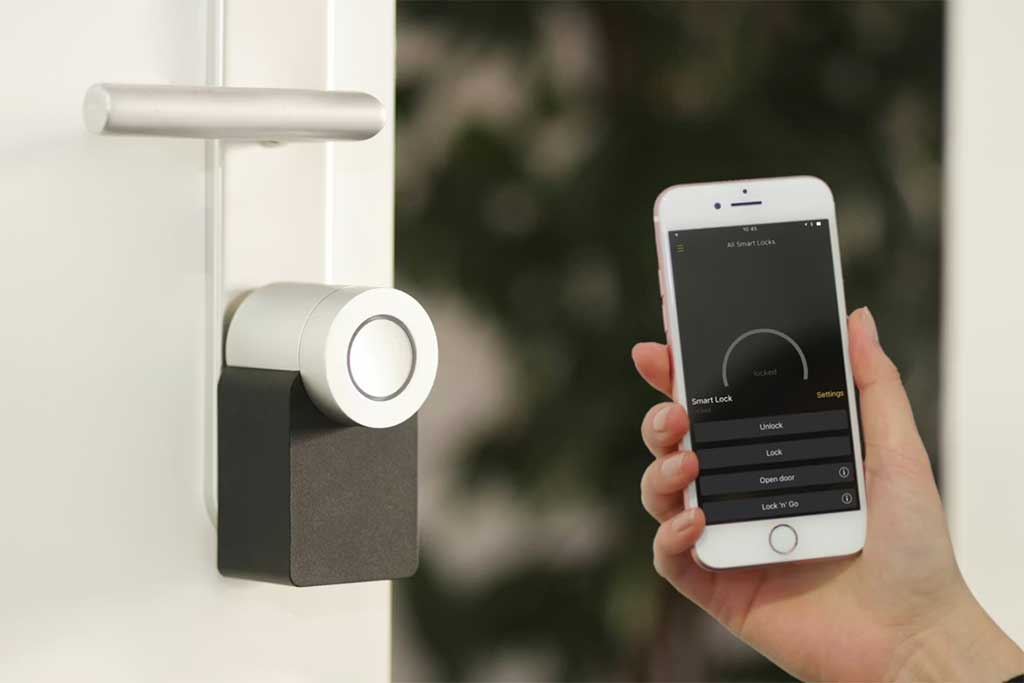
Moisture Sensors – Your Home’s Secret Pest Detector
While smart moisture sensors are generally used to detect and report excessive moisture in a given area from leaks, water damage, or increased humidity levels; they are also quite good at early pest detection.
Insects and rodents are attracted to moist environments. If you receive a notification from your moisture sensor indicating elevated humidity behind a wall or under your kitchen sink; it can possibly be an early indication of ideal conditions for pests to live. Silverfish, cockroaches, and termites thrive in damp environments. Identifying areas of moisture provides you with an advantage over pests by allowing you to address potential infestation areas prior to them establishing themselves in your home.
Consider installing moisture sensors in the following locations:
– Basements
– Bathrooms
– Kitchens
– Crawl spaces.
Smart Door Seals – Silent Watchful Protectors of Your Entry Points
When weatherproofing your exterior doors for energy efficiency purposes, smart door seals take this protection to the next level. These innovative door seals use magnets and sensors to adjust the seal in accordance to temperature and pressure changes. These smart door seals are doing more than saving you money on your heating bills.
Smart door seals will eliminate most of the small gaps that pests will utilize to gain access to your home. Small mice can squeeze into holes the size of a dime. Insects require even smaller entry points. Smart door seals that continuously adjust are designed to prevent both large and small pests from gaining access to your home.
If you find yourself missing the presence of spiders in the corners or fewer moths flying near the porch lights, this is likely because your smart door seal has successfully eliminated these entry points working quietly in the background.
Cameras and Motion Alerts – Looking Beyond Burglars and Packages
Security cameras are among the first smart upgrades homeowners consider. Security cameras protect homeowners from burglary, provide a means to monitor packages when no one is available to accept delivery, and provide homeowners with peace of mind while they are away from their homes. However, security cameras provide another benefit that homeowners may not initially think of: real-time video footage of nocturnal wildlife roaming their property.
Homeowners are often amazed at how many different types of nocturnal wildlife visit their properties at night. Raccoons crawling through vents, squirrels walking along the roofline, or possums investigating your basement windows are examples of some of the types of wildlife that can be viewed through smart cameras equipped with motion detection capabilities.
More than just amusing clips, this footage can give you vital clues. Are animals consistently approaching one part of your house? Is there a trail forming near your foundation? Cameras pick up patterns. And those patterns can signal vulnerabilities you may want to address before they lead to nesting or infestations.
Small Clues, Big Prevention
Smart home upgrades are often touted for their big-picture benefits — lower energy bills, home protection, automation. But their real beauty may lie in the details.
When winter arrives, homes become a warm refuge for more than just humans. Smart sensors and devices can help you recognize the early signs of small wildlife trying to move in. This is especially important when dealing with common pests during winter, as they seek warmth and shelter indoors. By identifying activity early, whether through moisture alerts, door pressure changes, or motion footage, you can take proactive steps long before pest problems escalate. For a better understanding of the seasonal threats in your region, check out this guide to common pests during winter.
The Smartest Homes Are the Most Aware
The unexpected perk of smart home living is awareness. You’re not just automating lights or adjusting thermostats from your phone. You’re tuning in to your home’s invisible rhythms. And in doing so, you’re also becoming a more prepared, observant homeowner.
Security and convenience might be the reasons you invest in smart tech. But it’s the quiet pest alerts, sealed thresholds, and recorded wildlife visits that might become your favorite features.