




We all deserve a garden that we can relax in, enjoy looking at, and show off to the world. However, for some people, there are values beyond usability and aesthetics that they want to implement, as well. They might want to create a garden that best interfaces with the natural world and protects the environment, or at least doesn’t require as much waste to take care of. As such, here, we’re going to look at some of the most eco-friendly upgrades you can make to your garden.
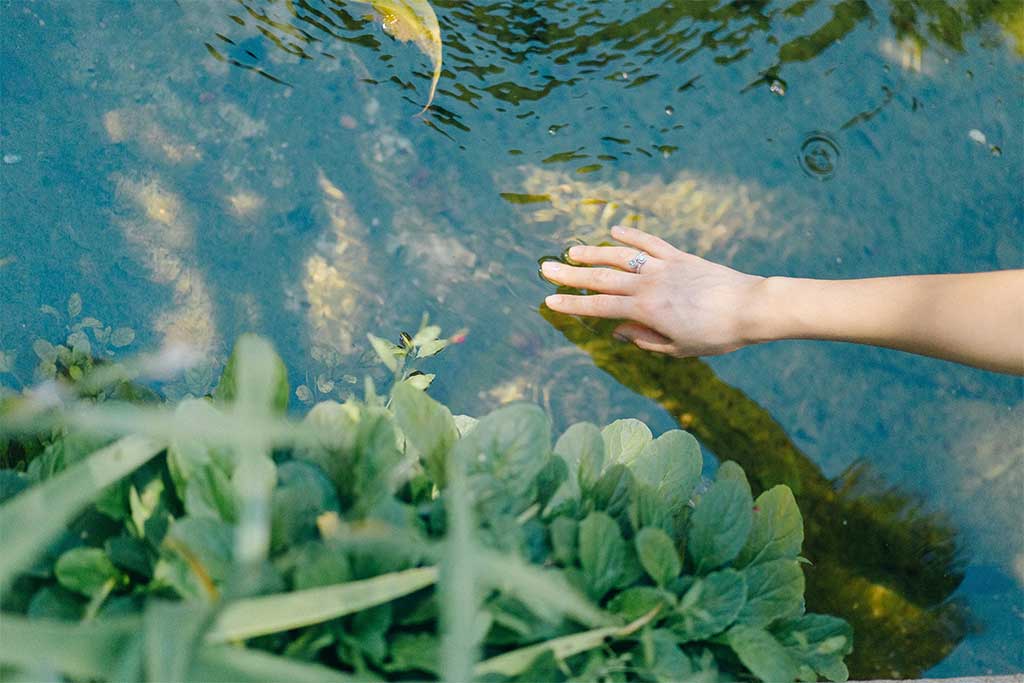
Add A Wildlife-Friendly Pond
One of the best ways you can make your garden more in keeping with your environment is to make it better suited to the wildlife around it. As such, we’re going to look at some changes that can offer habitats, protection, or places to feed for your smaller neighbors. Aside from taking the aesthetic of your home to the next level, ponds can provide water to birds, insects, amphibians, and pollinators, and can invite inhabitants like frogs and dragonflies, which not only support natural biodiversity but can also reduce pests that might otherwise wreck your garden by introducing their predators to the area. For the best environmental impact, you want to avoid pumps or chemical treatments for the pond, too.
Build A Bat House
Although they might not look like the kind of creatures that you want to invite to your home, the truth is that bats are an important part of the local ecosystem, providing a degree of natural pest control, helping with pollination, and also playing a crucial role in local seed dispersal. As such, a lot more people have been taking the time to build bat houses in their own gardens. These are typically posted somewhere high up, such as on wooden posts or on the sides of buildings, but they should typically not be built on trees, as they can leave bats more vulnerable to predators or make it more difficult for bats to take off due to surrounding branches.
Plant A Tree
Speaking of trees, planting one is one of the most eco-friendly investments you can make for your whole home. Aside from providing shelter and nesting for countless species, including insects, birds, and some mammals, trees are also able to improve the air quality around your home and even stabilize the soil. Planting a tree does take some care, such as choosing native species that can thrive in your climate, but with the help of a fall tree planting guide, you can help them get over those trepidatious first few months. After that, trees tend to be resilient and able to take care of themselves. You might need to trim it and check on its health once in a while, but they often don’t need a lot more than that.
Conserve Water With A Rain Barrel
One of the biggest environmental impacts that gardens can often have is how much water they use to take care of. It’s unfortunately true that keeping your garden thriving and green might involve using a lot of water that could otherwise be used to much greater effect. However, this doesn’t mean you should simply let your lawn die. With a rain barrel, you can naturally collect water from the sky that would otherwise fall onto the ground and make its way either into the soil or the sewers, and instead use that water to tend to your garden. With the help of drip or smart irrigation systems, you can make sure that this water is used as efficiently as possible, too.
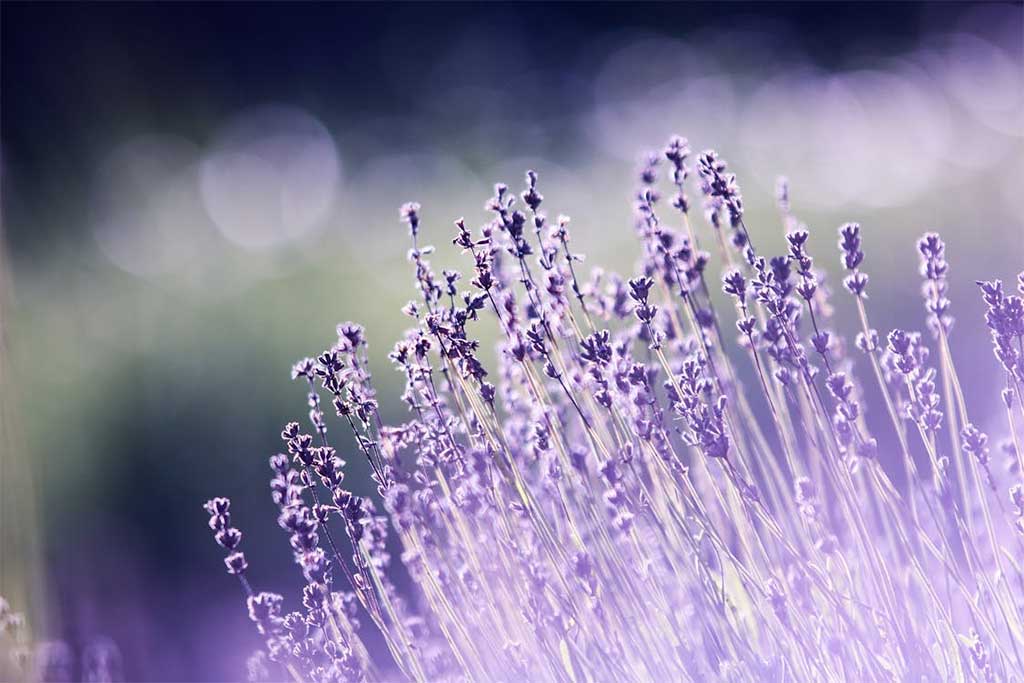
Choose Native And Drought-Tolerant Species
There are, of course, ways to make your garden naturally much less needful of watering, to begin with, as well. Native plants are not only likely to need less water, but they can also grow much better in the climate and soil conditions typical of your area, as well. This may also mean that you don’t need to use as many fertilizers or pesticides to manage them, which can improve the health of your soil. On the other hand, you can look at drought-tolerant plants, such as lavender, ornamental grasses, or succulents, which can stay lively and vibrant no matter the weather, and greatly reduce your water usage.
Start Composting
Water waste is important to address, but it’s not the only waste that you can reduce in your home. Food waste and organic waste, such as grass clippings and raked leaves, can fill your bin, or they can be used to improve the health of your garden. Creating a compost bin in your own garden breaks down these types of waste, including things like eggshells, coffee grounds, and more, into a beneficial substance that can, in turn, help feed your flower beds, improving your soil structure, allowing it to better retain water, and supporting root systems. With compost, you’re going to have much less need for chemical fertilizers to ensure that your garden grows as you want it to.
Using Eco-Friendly Hardscaping
The hardscaping that we use to create paths and boundaries around the garden makes it much more practical for those of us who live with them, but they can also impact the health of the soil and the garden itself. As such, by choosing more eco-conscious materials for hardscaping, such as gravel, mulch, or mermaeable pavers, you can make the garden more sustainable while still keeping it usable. These materials allow rainwater to soak into the ground rather than run off, while border materials such as reclaimed wood or natural stone reduce the environmental impact of structuring your garden, all while adding its own aesthetic charm. Be mindful of the materials you choose for any part of your home’s exterior.
Making choices for the garden and the home more broadly can help you not only improve your own quality of life but also help you know that you’re doing a little more good for the environment around you. Everyone can play their part in reducing their own ecological impact.