



The world is changing; technology is accelerating, and benefits for humanity are increasing. By 2030, changes in the healthcare space are expected to be dramatic. Technologies like AI and biotechnology are having a profound impact, but what can we expect as patients or people interested in health and wellness? How will technology impact our lives and make a difference?
Digital health platforms
One of the first things that we’re going to see is the advent of digital health platforms. These will essentially be virtual care hubs where people can go to manage all aspects of their health in one location. We’re already seeing this a bit with wearables and connected apps, but in the future it’s likely to go to the next level.
For example, we may get bio-digital twins on these platforms for health simulation. These show us how our bodies will react to specific interventions in silico, based on what’s known about them physically from existing health tests. These are then useful when trying to work out whether a new treatment is worthwhile.
Care delivery automation

Care delivery automation is another area that is rapidly developing. In-home robotics technology is advancing massively, meaning that more services can be delivered by machines than ever before. Historically, care workers were the primary go-to for many older people living at home.
But with robots, delivery can be completely different. Robots can remain in the home 24 hours a day, seven days a week, at no extra cost. They don’t require wages, and they can work with existing care staff for a better all-round service. For example, robots can be told to do heavy lifting when it wouldn’t be safe for conventional care workers.
Integrated wearables
Today’s wearables are great. Modern hearing aids have all sorts of useful features. The same is true of smartwatches and so on.
But there is a problem. These don’t directly interface with the body or the brain itself. What would be better if there was some sort of two-way communication channel between different parts of the body and digital devices? With this technology, they could become far more robust and powerful.
Already, we’re seeing signs of this sort of thing developing with Elon Musk’s Neuralink and other companies trying to build brain-computer interfaces. The technology that we get in 2030 may be less intrusive but still have similar capabilities. For example, highly sensitive scanners may be able to pick up on electrical patterns in the brain, or infrared cameras may be able to penetrate the skin and see things like level of blood oxygenation or even blood sugar.
Precision and personalised medicine
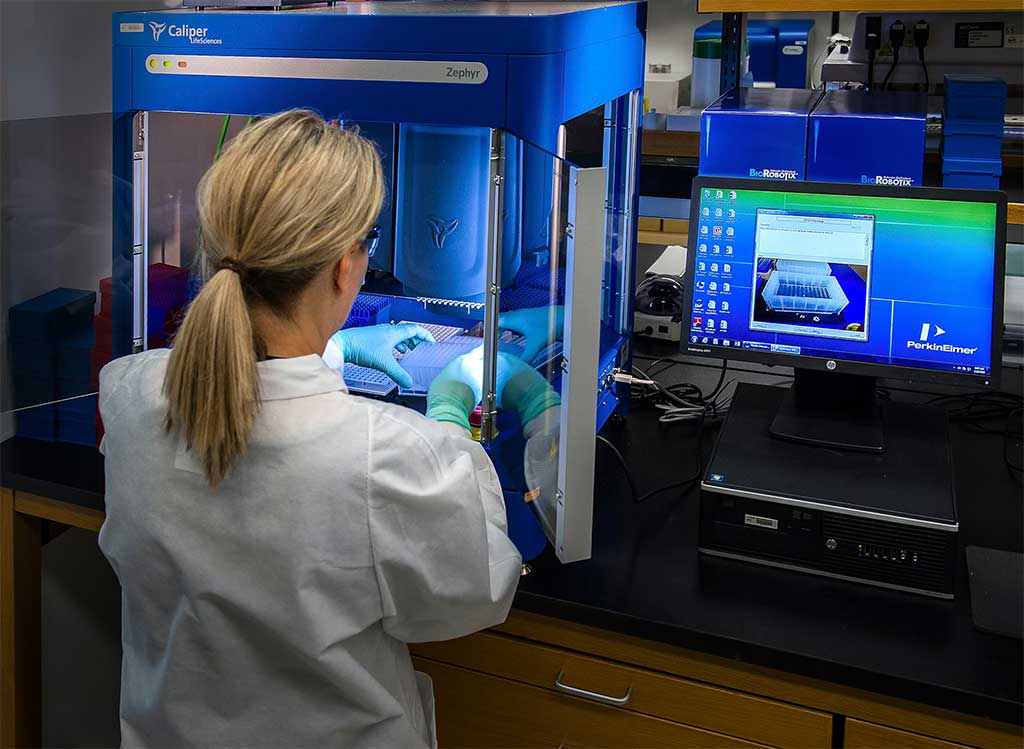
Finally, 2030 may bring routine personalised medicine. This technology is available to some people who can afford genetic testing for things like pharmacogenomics and multiomics, but it is far from a complete service. In the future, it is likely to become more refined and sophisticated as more systems are built out for mass consumption. It could be possible to get tissue engineering or 3D bioprinted organs through these channels.