




Experiencing hearing problems can be scary, as can anything that challenges your primary senses.
These issues also affect more than just your ears. They can result in people becoming withdrawn from social situations as they struggle to hear conversations, and if there’s accompanying tinnitus (loud ringing), that can interfere considerably with someone’s ability to relax.
As is the case with anything like this, it’s important to have a strategy in place to make headway and get back to living your life, and it can be hard to know exactly how to go about doing that.
To help you navigate the process, here’s a quick guide on what to do if you suspect you have hearing loss.
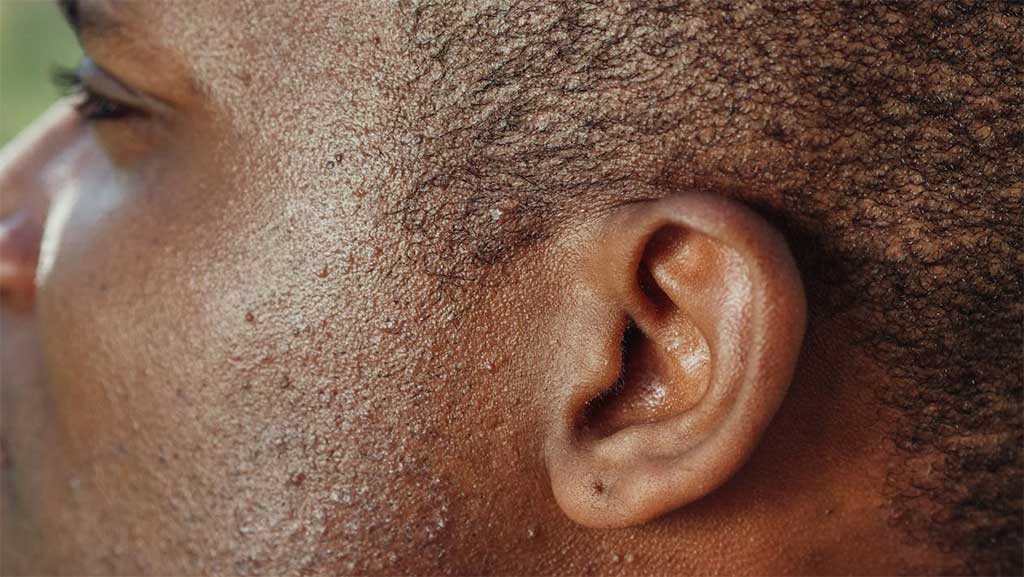
Understanding the Causes of Hearing Loss and the Early Signs
Many things point to hearing loss, but not all symptoms equate to a permanent condition.
Sometimes, hearing loss can be due to an infection, and you’ll regain full capacity once it’s been resolved. Othertimes, it’s simply due to a buildup of earwax. More permanent hearing loss, on the other hand, is usually down to age or excessive noise exposure.
Regardless of the cause, you’ll likely have difficulty understanding conversations, both in person and on the phone. You may also get tinnitus, either constantly or intermittently, or find you have to turn up the TV to a louder volume in order to be able to hear it.
Booking a Visit With an Audiologist
Booking a consultation with an audiologist is the first step in getting to the bottom of your issues.
An audiologist is a qualified hearing professional who can diagnose and treat the full gamut of hearing disorders. They’ll start by examining your ears, and you’ll then be invited to participate in a short hearing test. This is painless, and all you’ll need to do is put on some high-fidelity headphones in a soundproof room and press a button when you hear certain sounds.
After both the physical examination and the test, the audiologist will have a good idea of what’s causing your hearing problems and will be able to treat you accordingly or refer you to another specialist, such as an ENT (ear, nose, and throat) doctor.
Protecting Your Hearing Going Forward
No matter whether the audiologist suggests hearing aids or a simple ear wax removal procedure, this may be the wake-up call you need to start taking better care of your hearing.
When wearing earphones, using the monitoring feature on your smartphone to make sure your volume isn’t reaching too high a level is one important change to make, and you should be wearing earplugs whenever you’re in loud environments like concerts (or even at work if you work in a field like construction). You can also download the NIOSH sound level meter app, which allows you to quickly measure the volume at a given location.
Wrapping Up
You should now have a better idea of what to do if you think you’re experiencing hearing loss. Remember, no matter the outcome, there’s always a way forward. Good luck!