




Hearing aids have definitely changed over the years, and when it comes to the advancements that have occurred, many people might not realize just how impressive those changes have been.
The reality is that hearing aids are no longer the bulky, eyesore that many would have been familiar with. Nowadays, they’re modern, discreet, and highly effective to use for hearing loss, however mild or severe it might be.
Let’s take a look at five ways in which hearing aids have advanced in the last decade.
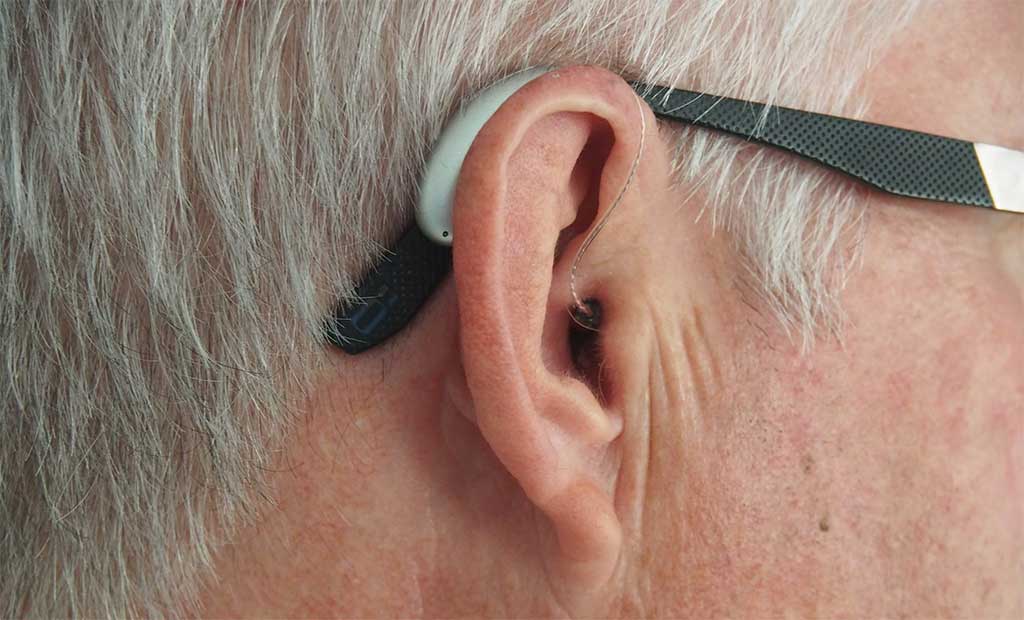
1. Artificial intelligence and real-time adaptation
It’s no surprise that artificial intelligence has crept its way into many forms of technology, including that of medical devices like hearing aids. With modern hearing aids nowadays, you’ve got AI and machine learning being used to help learn user preferences and enabling the devices to automatically adapt to different environments.
They can also help to analyze soundscapes in real-life, helping the user distinguish between speed and background noise through their feature of optimizing clarity in bustling scenarios.
2. Seamless Bluetooth connectivity and streaming
With many of the modern hearing aids you can get, a lot of them now come Bluetooth-enabled. Bluetooth hearing aids have become a standard, allowing many users to stream their phone calls, TV audio, and music all directly from their smartphones, televisions, and computers.
Recent advancements like Auracast and LE Audio help to provide a more stable connection, and with lower battery consumption too.
3. Rechargeable lithium-ion batteries
For many, having to constantly replace tiny and difficult-to-handle batteries is largely over. Instead, they’ve been replaced by rechargeable lithium-ion technology. Instead of having to faff around with little batteries, you charge the whole device overnight, similar to a smartphone, to provide full-day power.
4. Health tracking and smart features
With hearing aids nowadays, the technology available allows you to do it all. Hearing aids are now considered ‘healthable’ devices which promote wellness.
The use of integrated sensors helps to track physical activity in the user, monitors their heart rate, and can even detect falls. Some of the more advanced models can monitor cognitive health based on usage, too.
It really goes to show how transformative these devices are becoming, going beyond just their initial use and providing more in the way of health perks and benefits for users.
5. Improved miniaturization and discretion
A lot of the modern hearing aids you get are now much smaller than they’ve ever been before, more powerful, and even more comfortable too.
There are several different styles available, with some sitting completely inside the ear and offering a nearly invisible fit as a result. New materials and shapes enable all-day comfort and ultimately help to reduce the stigma that still exists about wearing them and the associations that come with it.
Hearing aids are important assets to your health, and they shouldn’t be seen as something to be embarrassed about, either. Consider getting a hearing aid for your hearing health and take advantage of the wonderful upgrades that have been made to them over time.