




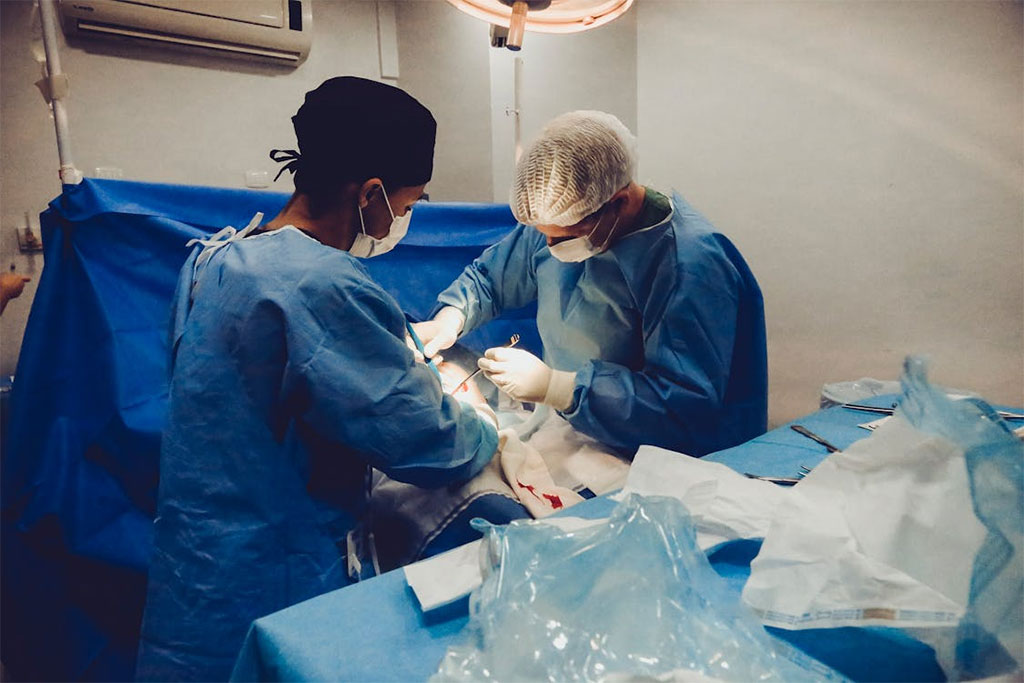
If you are thinking about getting started in the world of medicine, there are lots of things that you might want to bear in mind here in 2026. The truth is that there are a lot of ways to approach this, and no two are quite the same. Regardless, if you are looking for a powerful and meaningful career, medicine can be a great way to go. Here are some of the things you might want to bear in mind when it comes to building a career in medicine in 2026 and beyond.
The Essentials
Building a career in medicine in 2026 requires a combination of traditional dedication, adaptability, and an awareness of rapidly evolving technologies. Aspiring medical professionals must first focus on acquiring a strong academic foundation, typically through rigorous coursework in the sciences, critical thinking development, and hands-on laboratory experience. This period also emphasizes cultivating soft skills such as empathy, communication, and ethical reasoning, which remain as crucial as ever despite technological advances.
Getting The Right Education
Medical education itself is transforming. Many institutions now integrate artificial intelligence, telemedicine, and personalized healthcare modules into their curricula. Understanding how AI assists in diagnostics, treatment planning, and patient monitoring is becoming nearly as important as mastering anatomy or pharmacology. This is especially true if you want to join a team that knows its stuff, such as BioPharmaSpec’s protein characterization expertise. Students are encouraged to engage in research early, not only to contribute to medical knowledge but also to demonstrate analytical rigor and initiative.
Finding Experience
Clinical experience remains a cornerstone of preparation, but in 2026, it often extends beyond traditional hospital rotations. Virtual simulations, augmented reality-based surgical training, and remote patient consultations allow trainees to gain exposure to diverse scenarios before facing them in real life. Networking and mentorship continue to play pivotal roles, helping newcomers navigate career pathways, secure residencies, and understand emerging specialties. This is easily one of the most important things that you need to make sure you are thinking about in all this, and it will make a world of difference.
Which Specialization?
Choosing a specialization requires careful consideration of personal interest, demand trends, and technological integration. Fields like precision medicine, digital therapeutics, and genomic research are expanding rapidly, offering new opportunities for professionals willing to embrace interdisciplinary collaboration. Simultaneously, core areas such as primary care, surgery, and pediatrics continue to provide stable and impactful career paths.
Beyond clinical practice, medical careers in 2026 often involve advocacy, public health initiatives, and innovation in healthcare delivery. Professionals who can bridge the gap between patient care, technology, and policy are increasingly valued. Lifelong learning is no longer optional; continuing education, certifications in emerging technologies, and staying updated with evolving guidelines are integral to long-term success.