



Most people don’t think about problems that haven’t happened to them before, but when it comes to our homes and way of life, it’s honestly a great idea to start planning for the worst. This doesn’t just mean insurance either, but actually protecting your home and thinking about the worst case scenarios, even if it does seem a little pessimistic at first.
The key is to be proactive. Think about the risks, how to deal with them, and then avoid those situations that could turn your life upside down. Sounds easy? It’s surprisingly simple, but you just need a little push in the right direction to help you get started.
Small issues easily turn into larger problems
The majority of home disasters start small, usually with easy-to-miss issues that tend to get worse as time goes on. Imagine a minor leak. At first, it just appears as a small wet patch on your ceiling, but you dismiss it and tell yourself it’s nothing. But over time, that water damage is just going to get worse, cost you money, and make things more expensive in the future.
It sounds obvious, but don’t do this. Don’t ignore problems as they come up and always question why something is happening. Staying on top of home maintenance helps prevent this slow buildup. Regular checks, seasonal upkeep, and addressing small repairs early can protect both the structure of your home and your peace of mind. Proactive care costs far less than emergency fixes and reduces the chance of you suddenly losing your home.
Extreme weather happens, but we should still be ready for it
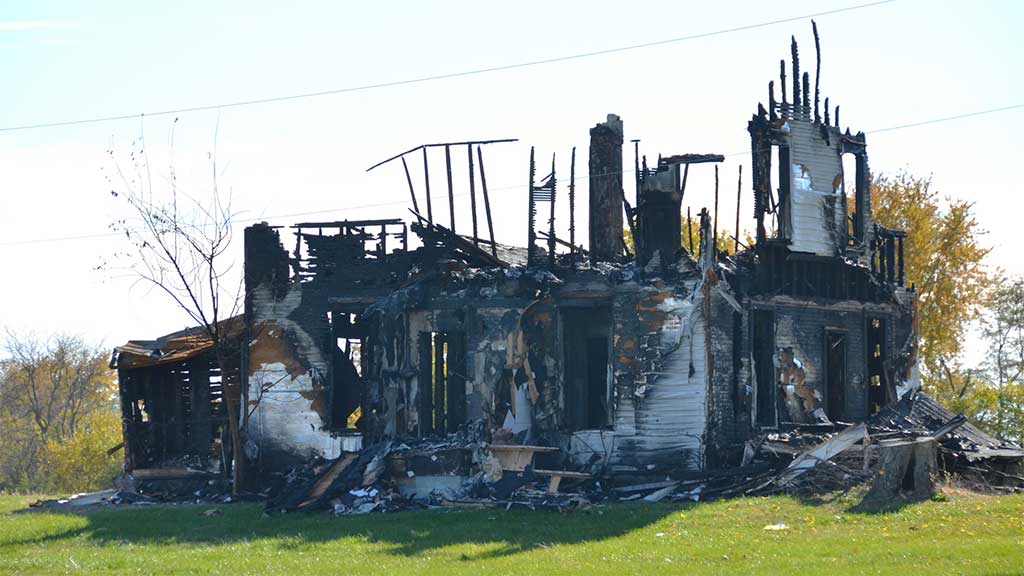
Extreme weather is becoming more common and more severe. From dangerous hurricanes and heavy storms to flooding, these events don’t just disrupt our lives, but could potentially destroy our entire way of life and our local communities. Mother nature is a seriously powerful force at times, and there’s little we can do to prevent the most disastrous events.
But that doesn’t mean you should just sit there and let it happen. Being proactive means strengthening the most vulnerable parts of your home ahead of time. This includes reinforcing roofing, improving drainage, securing outdoor items, and understanding evacuation plans. Preparation reduces panic and helps you respond more calmly when things become unpredictable.
Make sure you have the right support and contact numbers
Even with preparation, unexpected damage can still happen. What matters then is how quickly and effectively you respond to it. Knowing who to contact before an emergency occurs saves time, money, and even lives at times.
But you also need to know who to contact after everything has happened. Companies like United Response Restoration exist to help homeowners in times like this. Being proactive includes knowing your options, understanding insurance coverage, and having trusted contacts ready that can help you piece your life back together.
When you start thinking proactively about these kinds of issues, you’ll realize that you’re not just protecting your property or your own life, but also your livelihood and the wellbeing of those around you. If you have a family, then you owe it to them to think and plan ahead for these kinds of situations.